Luvantic is an independent course aggregator. We may earn a commission when you click through.
Three Creative Courses for Making, Organizing, and Decorating
Compare three beginner courses ranging from 16 to 26 hours, with practical projects in sewing, home organization, and party design.
Quick Picks
Best overall: Cut and Sew — the most developed creative skill path, with 16 hours of beginner content and 7 reviews.
Best for home projects: Personal Organizer For Environments — a 26-hour beginner course focused on practical space planning.
Best free starting point: Decoration for parties — free, beginner-friendly, and built around birthdays, weddings, corporate events, and themed celebrations.
Courses That Build a Practical Creative Skill
The three courses share a useful starting point: all are marked beginner level, so you do not need prior professional experience. The difference is what you can practise afterward. Cut and Sew develops a hands-on making skill, Personal Organizer For Environments focuses on planning and functional design, and Decoration for parties points toward event styling.
One detail matters before you enrol: the supplied course data confirms duration, level, review counts, and the free label for the party-decoration course, but it does not provide prices for the other two or confirm certificate terms. Treat certificate availability as unconfirmed until the course page states it directly.
Cut and Sew Online Course
Sixteen hours is enough to give this course shape without turning it into a long commitment. It moves from fabric handling and tool use toward modelling and finishing, so the learning path feels more skill-based than purely inspirational. The 7 reviews also give it more visible learner feedback than the other two courses. Best for beginners who want to make garments or develop a tangible fashion-related craft, especially if they prefer structured practice over broad lifestyle content.

Cut and Sew is the strongest pick for a learner who wants a creative ability that can become a repeatable hobby or portfolio skill. It is shorter than the organizer course by 10 hours, yet its subject has a clearer technical progression. The limitation is equally clear: the available information does not confirm whether the course is free or includes a certificate, so check those details before paying.
Personal Organizer For Environments Course
At 26 hours, this is the most substantial course in the group, but its zero-review count makes the quality harder to judge from the listing alone. The content centres on functional, practical, and pleasant environments, with a stated route for learners who want to organize their own homes or begin learning professional space organization. Best for beginners who enjoy planning rooms, reducing clutter, and thinking about how people use a space. Compared with Cut and Sew, it offers more learning time but less public evidence from students.

The organizer course wins on depth, not proof. Ten extra hours can matter if you want a slower introduction to room planning, but the absence of reviews means you should approach it with realistic expectations. It also suits a different personality from Cut and Sew: less fabric and construction, more systems, layout, and everyday problem-solving.
Both courses leave price and certificate information open in the supplied data. That is not a minor detail for career changers. A course certificate may help document learning, but it cannot replace photographs of finished work, client projects, or a portfolio when creative work is the goal.
The Free Course Is the Easiest First Step
Decoration for parties is the only option here explicitly described as free, which changes the value calculation. You can explore the subject without committing money, and the course covers several event types rather than one narrow celebration. The 18-hour duration also gives it more room than a short introductory workshop.
Party Decoration Course
The free label makes this the safest experiment for a curious beginner, while the 18-hour length suggests more than a quick inspiration class. It covers birthdays, weddings, corporate events, and themed celebrations, so learners can test several directions before choosing a niche. Six reviews provide some learner feedback, though fewer than Cut and Sew. Best for someone who wants to explore event styling without paying upfront and is comfortable checking the page for certificate details before treating it as career training.
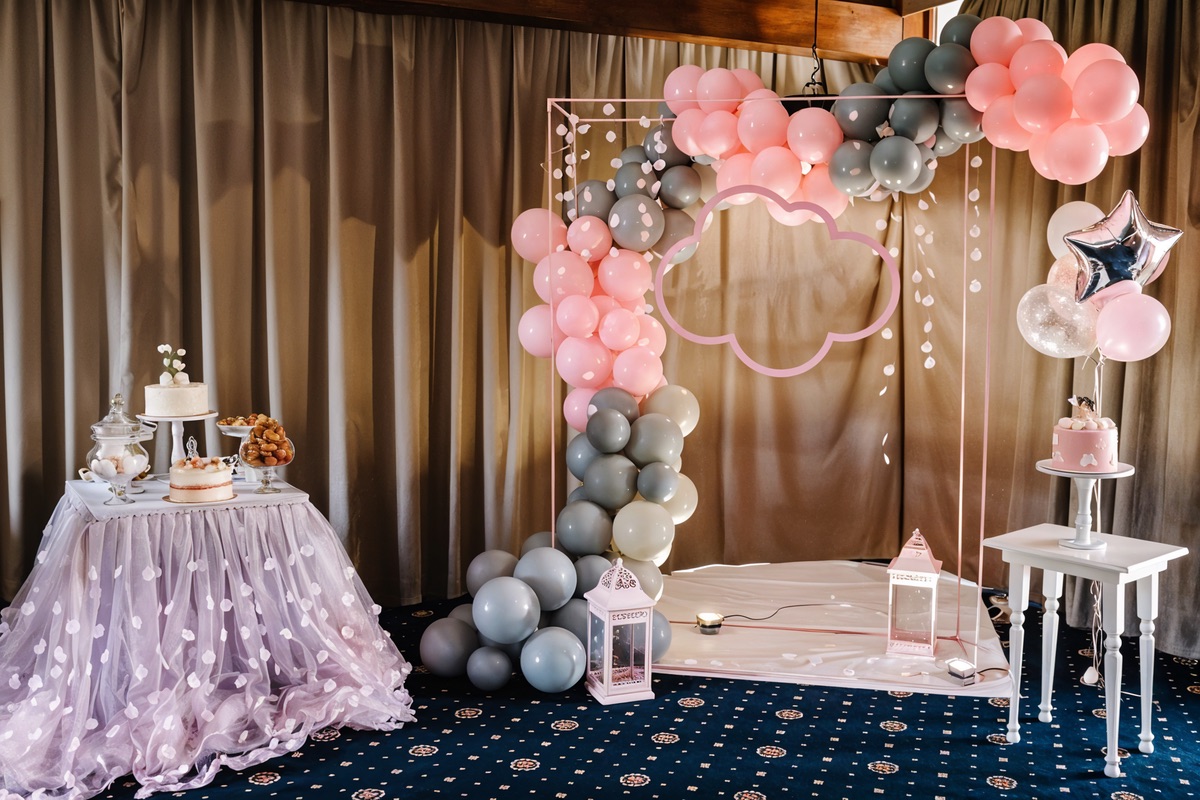
Party decoration is the practical low-risk choice, but free does not automatically mean career-ready. The course can help you learn visual planning and build ideas for small events; it does not, based on the supplied description, promise business training, client management, budgeting, or a professional portfolio. That makes it a useful starting point rather than a complete event-design qualification.
Compared with Personal Organizer For Environments, it is shorter by 8 hours and has six reviews instead of none. Compared with Cut and Sew, it is less technical but easier to sample without a financial commitment.
Which Course Should You Choose?
Choose Cut and Sew if you want a hands-on craft, can commit to 16 hours, and are interested in clothing, fabric, modelling, and finishing. It has the clearest technical progression and the highest review count among the three.
Choose Personal Organizer For Environments if your interest is rooms rather than garments or events. The 26-hour duration gives you the most study time, but the zero-review listing means you should verify the syllabus and certificate terms before making a paid commitment.
Choose Decoration for parties if you want to try a creative direction at no listed cost. Its broad event coverage and 18-hour beginner format make it the easiest place to start, especially if you want to discover whether event styling holds your attention before investing further.
For a wider comparison of creative paths, including fashion and home design, continue with Creative Courses Compared: Fashion, Beauty, or Home Design? — it can help you decide which kind of creative work deserves your next block of study time.