Luvantic is an independent course aggregator. We may earn a commission when you click through.
Six Digital Marketing Courses, Sorted by What You Need
Compare one Google-backed certificate with five beginner courses covering SEO, social media, Canva, e-commerce and core marketing skills.
Quick Picks
Best overall: Google Digital Marketing & E-commerce Professional Certificate for a structured route into the field.
Best free specialist course: SEO (Optimization) Course if search visibility is your main goal.
Best practical starter bundle: Digital Marketing for a short introduction before specialising.
The biggest difference is not course length. It is proof of learning: only the Google programme is clearly presented as a Google-recognised credential, while the Beharv courses are free beginner classes with less detail about certificates.
Build a Recognised Foundation
A certificate matters most when you are changing careers and need something concrete to place beside a small portfolio. The Google programme is the only option here with a clearly stated recognised credential and more than 1.48 million enrolments worldwide. Its weakness is equally clear: the certificate requires a Coursera Plus subscription, and the examples lean towards the US market rather than South Africa.
Google Digital Marketing & E-commerce Certificate
The Google certificate covers the widest spread here: SEO, search advertising, social media, customer acquisition and e-commerce, with no prior experience required. That breadth makes it my first pick for a career changer who wants one coherent programme instead of stitching together short classes. The catch is cost clarity: the listing says Coursera Plus is available at US$239 for a year, so South African learners should check the live local price before enrolling. Its US-centric examples also need adaptation to local platforms, budgets and buying habits.

Compared with the shorter Beharv courses, this programme asks for more time and paid access to the credential. In return, it gives you a clearer sequence and a qualification that is easier to explain to an employer. The official Google Digital Marketing & E-commerce Professional Certificate page lists the curriculum and current subscription terms.
Who should choose it
- Career changers starting without marketing experience
- Learners who want SEO, paid search, social media and e-commerce in one path
- Anyone prepared to pay for a certificate rather than only audit lessons
- ✅ No prior experience required
- ✅ Broad full-funnel coverage
- ✅ Google-recognised credential
- ❌ Certificate access depends on Coursera Plus
- ❌ Some examples require South African adaptation
Best for: an aspiring digital marketer who wants a recognised credential, can study consistently and needs broad coverage rather than one narrow skill.
That level of structure is useful, but it is more than you need if your immediate goal is simply to improve one website. The next group is narrower, cheaper and easier to finish in a few evenings.
Short Courses for One Useful Skill
The three specialist classes below are all marked beginner level and run for about 18 to 22 hours. That makes them practical add-ons, not substitutes for a full marketing curriculum. They also have a local-use advantage: you can apply the lessons directly to a small business site, Instagram account or online shop without waiting to complete a long programme.
SEO Optimization Course
SEO is the strongest free specialist pick because the course description names a clear outcome: improving website positioning in search engines. At 18 hours and beginner level, it is a manageable introduction for bloggers, e-commerce owners and junior content marketers. It will not replace hands-on work with keyword research, analytics or a real site, and the available information does not confirm a recognised certificate. Still, it is more focused than the broad Digital Marketing class if organic search is the skill you need first.

Social Media Management Course
Social Media Management takes 22 hours and covers Instagram, Facebook, TikTok and LinkedIn, so it has the widest platform spread among the short courses. That is useful for a beginner managing a small brand, but platform breadth can also mean less depth on content testing, reporting and paid campaigns. Choose it over the SEO course if your work happens mainly on social channels and you need a practical starting framework rather than search traffic knowledge.

SEO and social media solve different problems. SEO compounds through searchable content and site improvements; social management demands regular publishing and platform-specific judgement. Neither listing gives enough detail to confirm a formal certificate, so treat both as skill-building courses and plan to create a small portfolio alongside them.
The SEO course listing describes the class as free, while the Social Media Management listing provides the 22-hour beginner outline. Check the provider pages for current access and completion terms.
Canva Course
Canva is not a complete digital marketing course, and that is precisely why it belongs in a practical comparison rather than a full qualification shortlist. The 22-hour beginner course focuses on visual content, templates and design fundamentals, which can help a new marketer produce social posts without outsourcing every graphic. It should sit beside SEO or social strategy, not replace either one. The description calls Canva a revolutionary tool, but the useful evidence is simpler: ten modules and a clear focus on content creation.
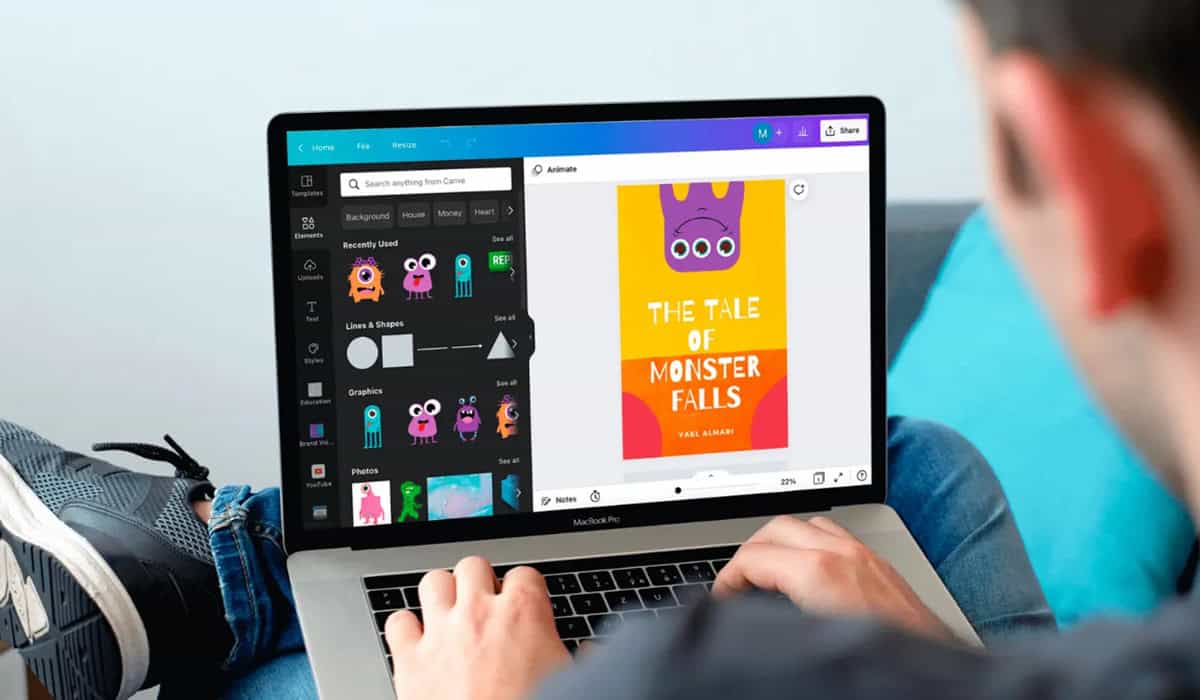
If your portfolio needs better visuals, Canva may produce a faster visible improvement than another theory-heavy introduction. The limitation is scope: it teaches a production tool, not audience research, campaign measurement or conversion strategy. Pair it with the Social Media Management course if you want both the publishing plan and the ability to create the assets.
Who should choose this group
- Small-business owners who need one immediately useful skill
- Beginners building a portfolio through real posts, pages or campaigns
- Learners who prefer shorter, self-directed study over a long certificate
The short specialist courses are easier to start, but they leave more responsibility with you. You will need to connect the lessons, find practice projects and verify certificate details before presenting them as formal credentials. That is where the final two broad introductions can help.
Broad Introductions Before You Specialise
These last options are useful when you know digital marketing interests you but have not decided between search, social media, e-commerce or content. They are both beginner-level, yet their emphasis is different: one is a compact overview, while the other leans towards selling online.
Digital Marketing Course
The 14-hour Digital Marketing course is the quickest broad introduction in this comparison. Its description covers planning, implementing and managing online marketing strategies, making it a sensible orientation course before committing to a specialist path. The short format is also its limitation: it cannot match Google's depth or the focused practice of the SEO and social classes. I would use it as a sampler, then move into SEO, social media or e-commerce rather than stop here.

Online Store Seller Course
Online Store Seller is the most commercially focused of the remaining options, with lessons on online sales, customer service, digital marketing strategies and e-commerce platform management. It makes more sense for an entrepreneur launching or improving a shop than for someone applying to an agency role. The course is marked beginner level and takes 16 hours, but the listing does not confirm a recognised certificate or provide enough detail to compare project work with the Google programme.

The 14-hour course is the better first test if you are undecided; Online Store Seller becomes more relevant once you already have a product or shop to work on. Both are shorter than the Google certificate, but neither has the same clearly stated credential. Before enrolling, check the provider pages for current pricing, assessment details and certificate availability.
Best for: Digital Marketing for a quick orientation, and Online Store Seller for a beginner building an online shop. Neither should be your only evidence of ability; a small campaign, content calendar or store improvement project will tell employers more.
Which Course Should You Pick?
Choose Google Digital Marketing & E-commerce if you are changing careers, want broad coverage and can pay for the certificate. It is the strongest all-round route in this group, though you will need to translate US examples for the South African market.
Choose SEO (Optimization) if you want a free, focused introduction to search visibility. Choose Social Media Management if your immediate work involves Instagram, TikTok, Facebook or LinkedIn. Add Canva when producing attractive content is the gap in your skill set.
Choose Digital Marketing if you need a short orientation before specialising. Choose Online Store Seller if you are building an online shop and care more about sales operations and customer service than a broad marketing credential.
My practical route would be Google for a full career switch, or SEO plus Social Media Management for a low-cost skills portfolio. Add one real project to either path. A completed campaign, optimised page or small online store gives your learning somewhere to go beyond the certificate.