Luvantic is an independent course aggregator. We may earn a commission when you click through.
Six Digital Marketing Courses, One Sensible Starting Point
We compared six beginner courses, from free SEO lessons to Google's certificate, to find the clearest route into digital marketing.
Quick Picks
Best overall: Google Digital Marketing and E-commerce Professional Certificate for a career changer who wants a recognised credential.
Best free starting point: SEO (Optimization) Course for learning the fundamentals without paying upfront.
Best for social content: Canva for beginners who need practical design skills quickly.
I evaluated six courses across the things that matter most: price clarity, time commitment, beginner access, practical range and certificate value. The surprise was how much the free courses cover. The bigger surprise was how rarely they promise a certificate with the same employer recognition as Google's programme.
Free Courses That Build Useful Foundations
The first four courses are listed as free online learning options and sit at beginner level. They are not interchangeable: one teaches search visibility, another visual production, another online selling and another the wider digital marketing picture.
SEO Optimization Course
SEO is the strongest free starting point here because its 18-hour structure focuses on a skill employers can understand: improving a website's visibility in search engines. The course covers core SEO concepts for blogs, e-commerce and content work, so it reaches further than a narrow tool tutorial. It has 16 reviews, more than Canva and Social Media Management, although the listing does not state a certificate or price beyond calling it free. I would choose this before a broad marketing survey if you want one career-relevant skill to practise immediately.

Canva Course
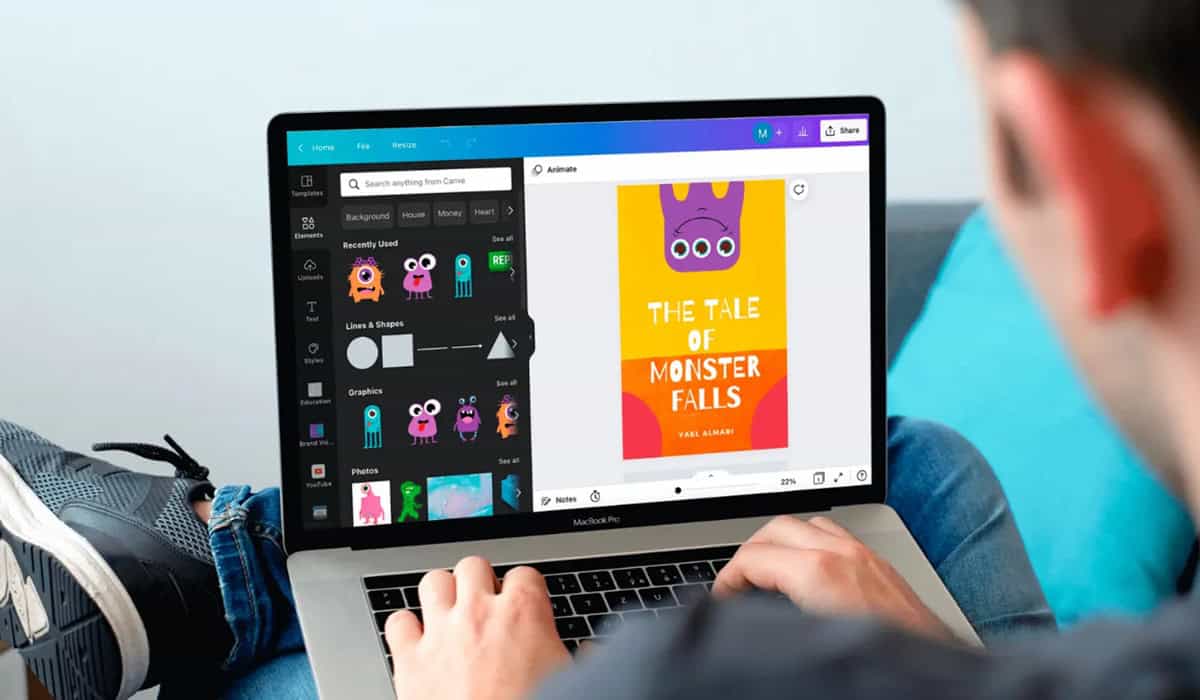
Canva takes 22 hours and begins with graphic-design fundamentals before moving into advanced content creation across ten modules. That makes it more hands-on for social posts and campaign assets than the SEO course, but less useful if your target role involves search strategy or analytics. The listing describes the course as beginner-friendly and free, with 15 reviews, yet it does not confirm a certificate. Pick it if your portfolio needs visible creative work rather than another block of marketing theory.
Online Store Seller Course
Online Store Seller is the shortest of the free options at 16 hours and connects digital marketing with customer service, online sales and e-commerce platform management. That practical focus gives it a clearer small-business angle than Canva, but the course is less specialised than SEO and has only 11 reviews. The page does not state a certificate. I would send a new shop owner here first, especially someone who needs to understand the whole customer journey rather than one marketing channel.

Social Media Management Course
Social Media Management covers Instagram, Facebook, TikTok and LinkedIn in a 22-hour beginner course, making it the broadest platform-specific option in this group. The problem is evidence: it has just eight reviews, the fewest of the six, and the listing does not confirm a certificate or paid-versus-free detail beyond the course catalogue context. Compared with Canva, it teaches more about managing profiles and strategy but less about producing the visual assets themselves. Choose it if you already know you want social media work and can judge the lessons by building a sample content calendar.

These four free courses are useful for testing the field before spending money. Their weak point is documentation: none of the supplied listings confirms a certificate, and review counts range from eight to 28. That matters if you need a credential for a job application, not just skills for a personal project.
The free courses also work better as focused introductions than as complete career programmes. SEO and social media are channel skills; Online Store Seller is operational; Canva is creative. The final two options take a wider view.
Broader Training for a Career Switch
The difference here is scope. One course gives a compact overview in 14 hours, while Google's programme covers SEO, SEM, email, analytics and e-commerce over roughly six months at seven hours per week. The certificate question becomes much more important at this level.
Digital Marketing Course
Digital Marketing has the highest review count in the group at 28, which is a useful signal for a 14-hour beginner course. It promises coverage of planning, implementing and managing online marketing strategies, so it is a sensible orientation course before specialising in SEO, social media or e-commerce. It is also much shorter than Google's programme and appears free in the catalogue, but the supplied page does not confirm a certificate, projects or assessment. I would use it to learn the vocabulary and map out a study plan, not present it as proof of job readiness.

Google Digital Marketing and E-commerce Certificate
Google's certificate is the most complete route here: no prior marketing experience is required, and the programme covers SEO, SEM, email, analytics and e-commerce. Coursera lists nearly 1.5 million learners and a 4.8-star rating, while the supplied course details describe a roughly six-month commitment at seven hours per week. The cost is not fixed in the listing because Coursera subscription pricing varies; the page currently promotes a full year of Coursera Plus for $239, so Irish learners should check the live price before enrolling. The certificate has stronger signalling power than the free catalogue courses, but the e-commerce material leans towards US platforms and the time commitment is substantial.

Google is the only option here with a clearly stated professional certificate and a large learner base, according to the official Coursera programme page. Coursera also confirms that subscription terms and pricing can change, so check the provider page rather than relying on a static roundup figure.
The free catalogue courses remain useful, but their pages provide less information about assessment and credentials. That is the insight I would not want a learner to miss: free access can remove the financial barrier, yet it does not automatically create a portfolio, recognised certificate or hiring signal.
Who Should Pick What?
Choose SEO (Optimization) if you want a free, focused introduction with an 18-hour workload and an interest in websites, blogs or content.
Choose Canva if you need to produce social graphics and campaign assets, and prefer visible creative practice over search theory.
Choose Online Store Seller if you are starting an online shop and need sales, customer service and platform basics in one short course.
Choose Social Media Management if Instagram, TikTok, LinkedIn or Facebook is the work you want to do, but build sample posts alongside the lessons.
Choose Digital Marketing for a 14-hour map of the subject before committing to a specialism.
Choose Google's certificate if you are changing careers, can study seven hours a week for about six months and need a credential that is easier for employers to recognise. The programme is the one I would pick for a serious career move; SEO is my honest favourite for testing the field free of charge.