Luvantic is an independent course aggregator. We may earn a commission when you click through.
How to Choose a Programming Course Without Wasting Time
Compare free practice, structured beginner courses, and paid career training by language, workload, projects, and certificate value.
Sixteen weeks at 6–7 hours a week can teach more than a rushed weekend tutorial. The harder question is choosing the right starting point: GitHub skills, visual JavaScript practice, Python, Java, C++, or a paid backend program. This guide compares the real workload and purpose of each course so you can build a learning path instead of collecting unfinished tabs.
What to Check Before You Enrol
Start with the outcome. GitHub is a workflow skill, not a programming language. Khan Academy’s computer programming material introduces JavaScript through drawing and animation, while the Python and Java courses focus on language fundamentals. A 16-week Python course demands a different commitment from a 1-hour-45-minute GitHub module.
Check four details before starting:
- Language: Python is approachable for general programming, Java remains useful for strongly structured application development, and C++ rewards patience with deeper control over how programs work.
- Practice: Look for exercises, projects, or applied tasks rather than video-only lessons.
- Workload: A course requiring 6–7 hours weekly needs calendar space, not just enthusiasm.
- Proof of learning: Microsoft’s GitHub module lists 900 XP, while the OpenEdu Python course lists 3 credit units. Confirm what a certificate or credential actually represents before paying for it.
Most beginners make one mistake: they choose a language before choosing a goal. Pick the job or project first, then select the language that supports it.
Start Small: Core Skills Before Career Training
The first six picks are best viewed as building blocks. Some are free and lightweight; others need a longer weekly commitment. The sequence matters: learn basic programming, practise consistently, then add the tools developers use to collaborate.
Introduction to GitHub
The Microsoft module takes about 1 hour 45 minutes across eight lessons and targets beginners, developers, DevOps engineers, administrators, architects, and students. It covers core GitHub features such as issues and notifications, making it the quickest practical add-on in this comparison. Start here if you already know some programming and need to understand how code projects are managed. It will not teach you Python or Java, so a complete beginner should pair it with a language course rather than treat it as a full programming curriculum.

Компьютерлік бағдарламалау
Khan Academy’s computer programming section moves into JavaScript through drawing and animation, which gives beginners visible feedback instead of a blank command line. That makes the first steps less abstract than a syntax-heavy course. It is a sensible free practice route for learners who want to test whether coding feels enjoyable before committing to a longer programme. The limitation is scope: the supplied course page highlights introductory JavaScript content, so it is better for experimentation than for a complete job-ready pathway.
Бастаушыларға арналған Python
The Skills Enbek Python course starts with syntax and progresses toward databases and an introduction to object-oriented programming. That is a broader foundation than the visual JavaScript material above, but it also asks you to absorb more concepts. Choose it if you want one beginner course that reaches beyond simple exercises. The page does not provide a price or confirmed certificate detail, so check those terms on the provider’s listing before relying on it as a credential.
Жаңадан бастаушыларға арналған JAVA бағдарламалау
The beginner Java course is framed as an accessible entry into IT and pushes back against the idea that programming requires advanced mathematics from day one. Compared with the Python course, Java usually feels more structured and formal, which can be useful if you want disciplined habits early. It is less forgiving for someone seeking instant visual results, though. Pick this route when Java itself interests you or when a structured language feels more motivating than Python’s quicker feedback.
Прикладное программирование на Python
OpenEdu’s applied Python course is the most clearly defined study commitment among the free or unpriced options: 16 weeks, 6–7 hours per week, and 3 credit units. That is roughly 96–112 hours, so it is not a casual introduction. The applied focus makes it a stronger bridge from basic syntax to sustained study than the shorter beginner listings. Choose it if you can protect weekly study time; skip it if your schedule only allows occasional lessons.
Основы программирования на C++
Lektориум’s C++ fundamentals course adds a lower-level route to the comparison. C++ can deepen your understanding of program structure and performance, but it is a demanding first language for someone who mainly wants to build a simple website or automate everyday tasks. Compared with Python, expect a steeper learning curve and less immediate comfort. Choose it for computer science foundations, systems interests, or academic preparation—not because it sounds more advanced.

The pattern is straightforward: Khan Academy is the gentlest experiment, Python gives the broadest beginner route, and C++ demands the most patience. GitHub belongs beside any of them once you begin saving and discussing your work. A certificate can document completion, but regular practice and finished projects will tell future employers more.
When You Want a Career-Focused Path
A paid programme only makes sense when it supplies structure you will actually use. The Yandex Practicum listing is the only item here with a clearly stated price, and that price changes the decision completely: you are paying for a longer career pathway, not just access to lessons.
Python-разработчик Курс
Yandex Practicum’s Python Developer programme is listed at 935,000 in the source data, but the supplied page does not identify the currency, so confirm the current amount and payment terms before enrolling. The page presents a backend developer pathway with sections for the profession, training, employment, programme, and tariffs—far more career-oriented than the standalone beginner courses. That structure may justify a paid commitment for a career changer who needs a defined route and can study consistently. It is a poor first purchase if you have not yet completed basic Python practice or tested whether software development suits you.
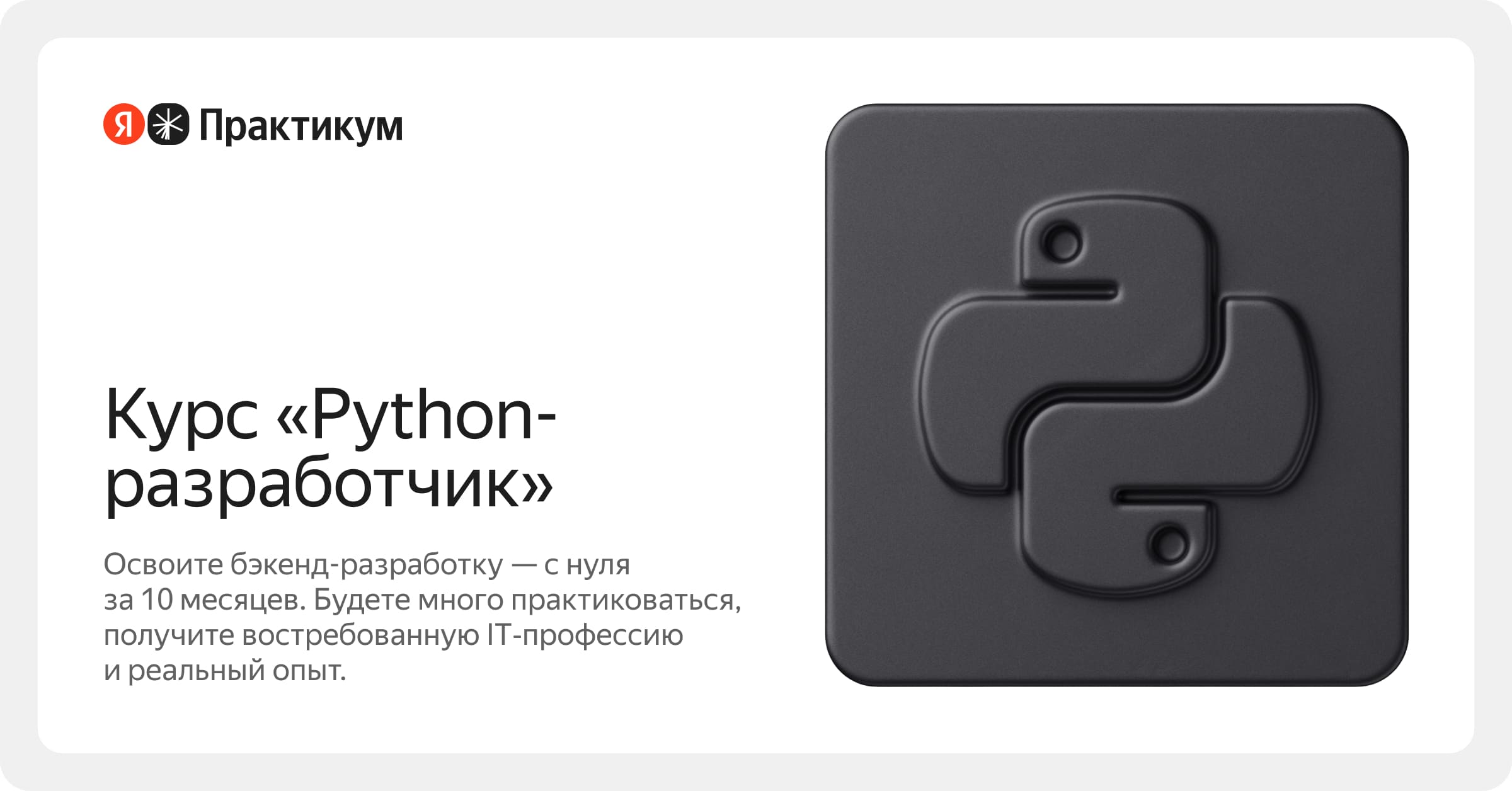
The paid route should come after a trial, not before it. Spend time with the free Python or JavaScript material, complete a few exercises, and use the Microsoft GitHub module to learn how projects are organised. If you still want backend work and can commit to a substantial programme, the Yandex listing is the most career-shaped option here. If not, the free sequence gives you room to learn without a large upfront commitment.
Common Mistakes to Avoid
- Starting three languages at once: Choose one language for at least a few weeks. Switching constantly feels productive but weakens recall.
- Confusing a tool course with a programming course: GitHub supports development; it does not replace learning to write code.
- Buying before testing: Try the free or unpriced options first. A paid backend programme cannot fix a lack of interest in daily coding practice.
- Ignoring workload: The OpenEdu course alone estimates 6–7 hours weekly for 16 weeks. Put those hours on your calendar before signing up.
- Chasing certificates: A completion badge or credit unit can help document study, but a small portfolio demonstrates what you can actually build.
A Quick Decision Framework
Want a short practical skill? Take the Microsoft GitHub module.
Need a gentle first taste of coding? Start with Khan Academy’s JavaScript practice.
Want a general-purpose beginner language? Choose the Skills Enbek Python course.
Prefer a structured, formal language? Explore the beginner Java course.
Can commit to 16 weeks at 6–7 hours per week? OpenEdu’s applied Python course has the clearest stated workload.
Want deeper systems-oriented foundations? Consider Lektориум’s C++ course.
Ready for a paid backend career pathway? Review Yandex Practicum’s programme, but verify the listed 935,000 price and payment details before enrolling.
My practical order would be Khan Academy or beginner Python first, GitHub alongside your projects, and paid training only after you have proved you can keep studying. For a wider comparison of free practice through paid career routes, read 8 Programming Courses, From Free Practice to Paid Career Training.