Luvantic is an independent course aggregator. We may earn a commission when you click through.
Fashion Skills Compared: Sewing or Styling First?
Cut and Sew runs 16 hours with five reviews, while Fashion Consultancy 2 covers color theory and trends but has no reviews.
Quick Picks
Best hands-on route: Cut and Sew.
Best for styling concepts: Fashion Consultancy 2.
Best for a broader creative portfolio: Planned Furniture Designer.
You are choosing between making physical products and advising people on visual choices. The course descriptions point to a clear split: Cut and Sew is the practical, 16-hour option with five reviews, while Fashion Consultancy 2 focuses on color theory, trend analysis, and the consultant’s role but lists no reviews. Planned Furniture Designer adds technical drawing and 3D modelling, giving creative learners a more design-software-oriented path.
Hands-On Fashion: Cut, Sew, and Build
The strongest evidence of practical engagement sits with Cut and Sew. Its 16-hour beginner structure covers fabric handling, tools, modelling, and finishing, so the learning path moves from basic technique toward making complete pieces. Five reviews also give it more visible learner feedback than the two fashion consultancy courses, although the supplied listing does not show a rating or detailed review themes.
Cut and Sew Online Course
Sixteen hours, beginner level, and five reviews make Cut and Sew the clearest starting point for someone who wants to produce garments rather than discuss them. The course moves from fabric and tool basics into modelling and finishing, which gives you tangible project material. The limitation is equally practical: the listing does not show a price or confirm a certificate, so check those details before enrolling.

Fashion Consultancy Course
Fashion Consultancy 2 takes the opposite route, concentrating on color theory, trend analysis, and the fashion consultant’s role instead of garment construction. That makes it more relevant to styling conversations, wardrobe advice, and client-facing work than Cut and Sew. It is marked beginner level, but the listing shows zero reviews, so the course has less public learner evidence behind it.

Fashion Consulting Course
Fashion Consulting 1 is the more established-looking consultancy alternative, with 18 hours and one review listed. Its topics include fashion history, color analysis, wardrobe personalization, and combinations, giving it a slightly wider advisory brief than Fashion Consultancy 2. I would choose it only if those extra two hours and the fashion-history angle matter to you, because the listing still leaves price and certificate details unanswered.

That first group is about the person you want to become: a maker or a style adviser. The remaining creative courses shift away from clothing and into spaces, objects, and visual presentation, where portfolio work can take a different shape.
Design Beyond Clothing
Three courses cover interiors, custom furniture, and event decoration. They share a beginner-friendly starting point, but the work they lead toward is not interchangeable: one is about atmosphere, one about technical design, and one about temporary visual installations.
Interior Decoration Course
Interior Decoration offers 18 hours of beginner content on color combinations, furniture, accessories, and harmonious room composition, with seven reviews—the highest review count in this comparison. That extra feedback makes it easier to justify as a first experiment in spatial design. It still appears more concept-led than technical, so learners who want drawings or 3D work should choose Planned Furniture Designer instead.

Planned Furniture Designer Course
Planned Furniture Designer is the sharper pick for someone who wants design work tied to custom cabinetry or furniture production. The 16-hour beginner course covers materials, technical drawings, and 3D modelling—skills that are more concrete than the room-styling emphasis in Interior Decoration. Only two reviews are listed, and no price or certificate information appears in the supplied page data, so treat the technical promise as a starting point rather than proof of job readiness.

Free Online Party Decoration Course
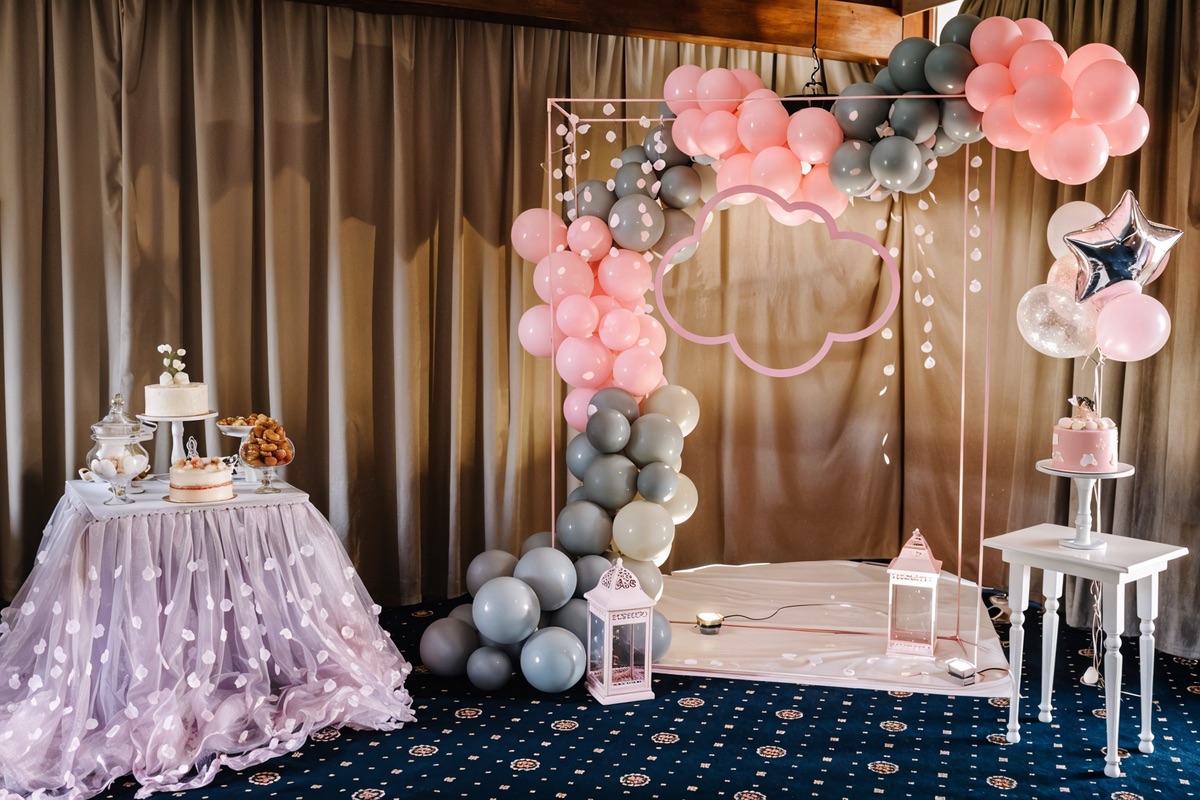
Decoration for Parties is the most flexible creative-business idea in this group, covering birthdays, weddings, corporate events, and themed celebrations in a free online course. Six reviews provide more learner feedback than most options here, and the beginner-friendly framing lowers the barrier to entry. The trade-off is focus: event decoration can help you build a service portfolio, but it will not teach the technical drawing or 3D modelling found in Planned Furniture Designer.
The Verdict
Pick Cut and Sew if you are a complete beginner who wants hands-on fashion skills, a defined 16-hour route, and the strongest review signal among the clothing courses. It is the recommendation I would give to someone who wants finished pieces to show, photograph, or improve.
Choose Fashion Consultancy 2 instead if your interest is styling people, analyzing color, and following trends rather than operating tools. Its lack of reviews makes it a less proven pick, but the subject matter is better aligned with wardrobe advice. For a different creative career direction, Planned Furniture Designer deserves attention from learners who enjoy measurements, materials, technical drawings, and 3D modelling.
One practical warning applies to every course here: the supplied listings do not confirm prices or certificates. Before paying, verify both on the course page. A certificate may help document learning, but a small portfolio—an outfit, room concept, furniture drawing, or event mood board—will usually tell future clients more about what you can actually do.