Luvantic is an independent course aggregator. We may earn a commission when you click through.
Digital Marketing vs Social Media: Which Course Wins?
Compare five beginner courses by study time, focus, reviews, and career usefulness before choosing your next digital marketing skill.
You’re choosing between broad digital marketing training and narrower courses in social media, SEO, e-commerce, or design. Here’s what actually matters: the Digital Marketing course covers the widest ground in 14 hours, while the more focused options give you a clearer first skill to practise.
The provider lists every course as beginner level, and the pages show no prices or certificate details. That means the honest comparison is about scope, study time, reviews, and how quickly each course could help you build a portfolio. The course pages are the source for the details below: Digital Marketing, Social Media Management, and SEO (Optimization) Course.
Broad training or a practical first skill?
A broad course sounds appealing, but breadth can become a weakness if you finish without one demonstrable project. The focused courses below take different routes into digital marketing: one starts with social platforms, the other with search visibility.
Digital Marketing Course
At 14 hours, this is the shortest of the five listed courses, yet its description covers planning, implementation, and management of digital marketing strategies. That breadth makes it my pick for a career changer who wants a map of the field before specialising. The limitation is equally obvious: the page gives no module-by-module detail, price, or certificate information, so you should not assume it delivers the same depth as a dedicated SEO or social media course. With 28 reviews, it also has the largest review count in this comparison.

Social Media Management Course
Social Media Management takes 22 hours, eight hours longer than the broad Digital Marketing course, and focuses on Instagram, Facebook, TikTok, and LinkedIn. That platform-specific scope is more useful if you want to practise content calendars, profile management, and basic campaign planning right away. It has only eight reviews, so the feedback signal is thinner. Choose it over the broader course if social content is the skill you can see yourself selling first; otherwise, the extra study time may feel narrow.

The first comparison reveals a useful pattern: the shortest course has the broadest promise, while Social Media Management gives you more time inside one channel family. Neither page confirms a certificate, and neither lists a price, so check those details before enrolling. Search and e-commerce take a more measurable route, which may suit learners who prefer concrete tasks over platform juggling.
Search visibility and online selling
SEO and e-commerce are not interchangeable. SEO helps a website get discovered; Online Store Seller concentrates on running the selling process itself, including customer service and platform management.
Free SEO Optimization Course
SEO (Optimization) Course is the most focused route here: 18 hours on improving website positioning in search engines such as Google. The description explicitly connects the material to digital marketing, blogs, e-commerce, and content production, so it can support several portfolio directions. Sixteen reviews give it a stronger feedback base than Social Media Management or Online Store Seller. I’d choose this for a beginner who likes research, writing, and gradual results; SEO usually demands patience because visibility does not improve simply because a lesson is complete.

Online Store Seller Course
Online Store Seller runs for 16 hours and combines online sales principles with digital marketing, customer service, and e-commerce platform management. Compared with the SEO course, it is closer to the day-to-day operation of a small online shop and may feel more immediately relevant to an entrepreneur. The page shows 11 reviews, fewer than SEO and the broad Digital Marketing course. Pick this route if you want to sell products or support a shop; skip it if your target role is content, search, or agency marketing.

SEO has the clearest connection to a portable marketing skill, while Online Store Seller makes more sense for someone building or managing a shop. The provider’s descriptions do not state that either course includes live projects, software access, or a certificate, so treat them as introductory training rather than a complete professional qualification.
The useful add-on: visual content
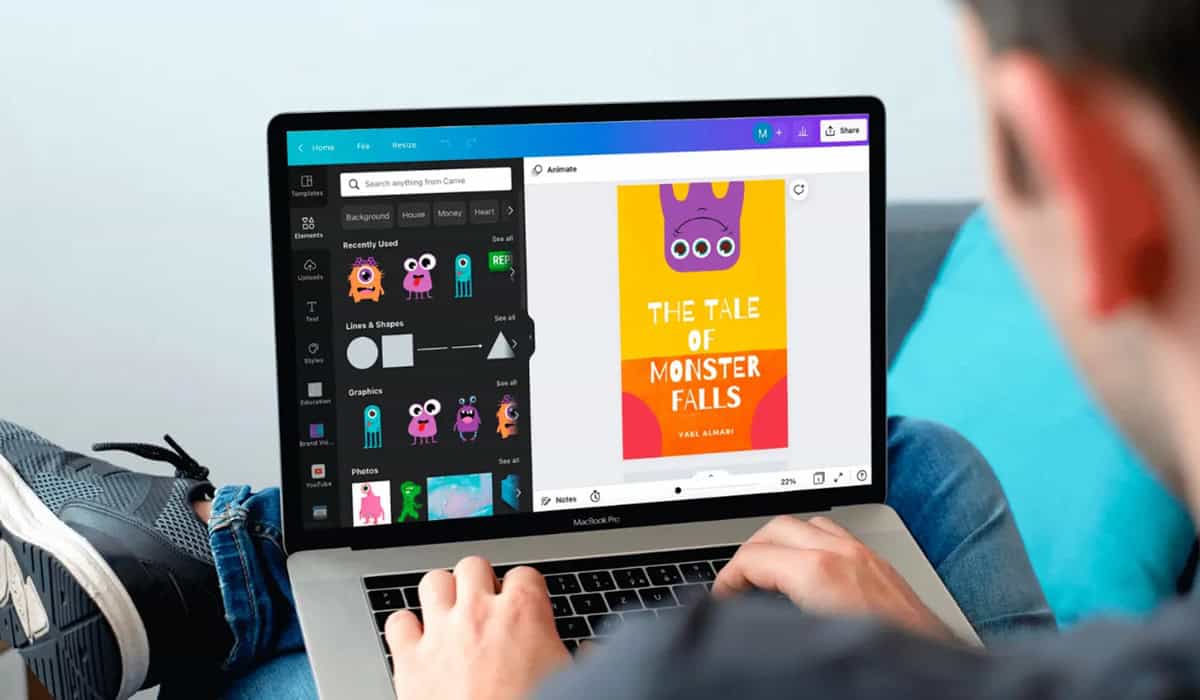
Canva is not a full digital marketing course, but it can turn a strategy into something people can actually see. That matters for social posts, campaign mock-ups, landing-page concepts, and small-business content.
Canva Course
Canva is the longest course in the group at 22 hours, with 15 reviews and ten detailed modules covering the interface, graphic design fundamentals, templates, and digital content creation. It will not teach SEO, paid advertising, or campaign measurement, so calling it a complete marketing course would be misleading. Its value is practical: a beginner can use the skill to create sample social posts or campaign assets while studying the broader Digital Marketing course. Choose it as a companion course, not as your only marketing credential.
The verdict
Pick Digital Marketing if you are starting from zero and need a broad introduction in 14 hours. Its 28 reviews are the strongest engagement signal in this set, but the missing price and certificate information mean you should verify the enrolment page before treating it as career training.
Pick SEO (Optimization) Course if you want one career-relevant skill with a clear output: improving a website’s search visibility. It has 16 reviews and a sharper focus than the broad course. Social Media Management is the better alternative for someone who wants to build a portfolio around Instagram, TikTok, LinkedIn, and Facebook. Online Store Seller belongs with shop owners, while Canva works best beside another course.
None of the supplied pages confirms a certificate, and no prices are shown. That is the main gap in this comparison. Before paying, check the current course page for cost, assessment details, certificate terms, and whether practical assignments are included.
Start broad with Digital Marketing, then add SEO or Canva based on the work you want to show. That two-step path is more useful than collecting several beginner certificates without a portfolio.