Luvantic is an independent course aggregator. We may earn a commission when you click through.
Creative Courses for Beginners Who Want Practical Skills
Compare 10 beginner-friendly creative courses by study time, hands-on focus, reviews, and the kind of freelance work each may support.
Starting a creative side business does not require a four-year degree, but it does require a course that teaches something you can actually practise. This shortlist is for beginners who want a usable skill—styling, beauty services, home organization, furniture planning, sewing, or event decoration—rather than a vague introduction to creativity.
Generic top-10 lists fail this audience because “creative” covers very different work. A 10-hour eyebrow course and a 26-hour organizing course do not lead to the same kind of client, equipment cost, or portfolio. The course pages also do not show prices or certificate details, so check those terms on the provider’s site before enrolling. The useful signals here are the stated syllabus, study time, level, and review count.
Quick picks by the work you want to do
Best for fashion advice: Fashion Consultancy 2.
Best for a short beauty skill: Eyebrow Design.
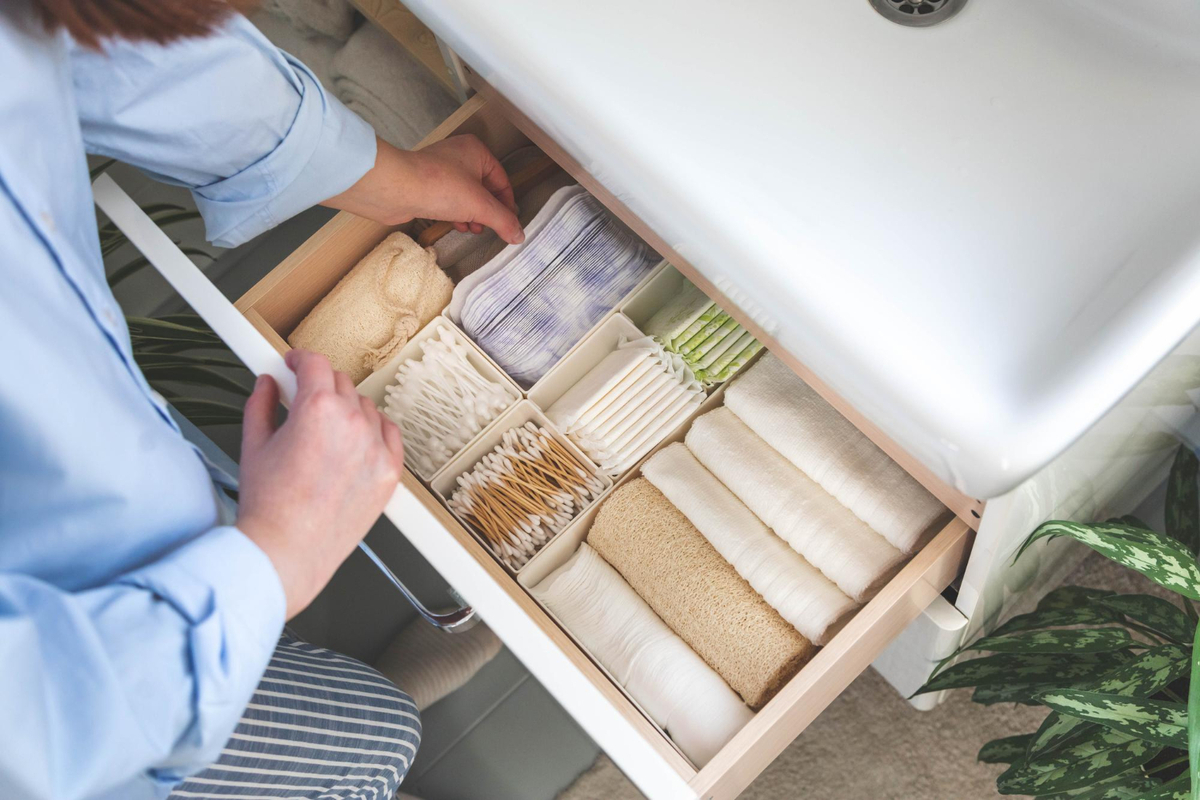
Best for home-based services: Personal Organizer For Environments.
Best for a creative trade: Cut and Sew.
Client-facing creative services
The first group can turn into appointments or consultations relatively quickly. Their review counts are modest, so treat the course descriptions as a starting point—not proof of professional certification or local licensing compliance.
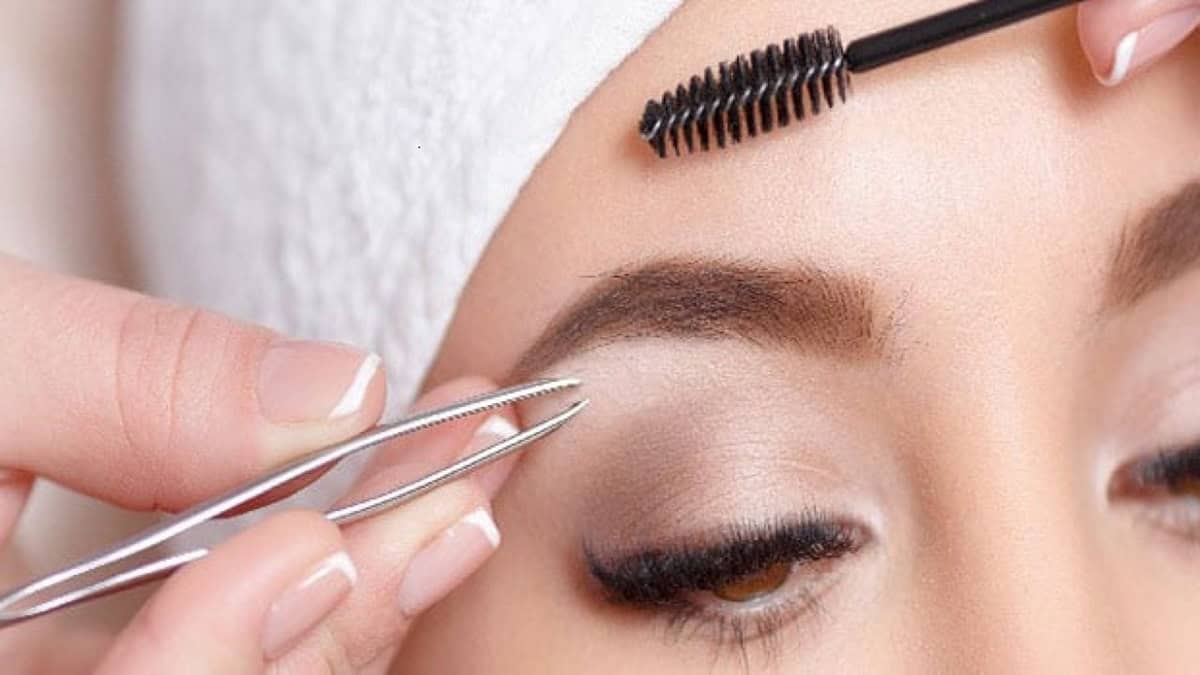
Eyebrow Design Course
Ten hours is the shortest study commitment in this comparison, and the syllabus is concrete: measurement, hair removal, colouring, and adapting brow styles to individual facial features. That makes it more immediately practical than the fashion courses, which cover broader concepts. The limitation is equally clear: eyebrow work needs practice, hygiene knowledge, and suitable tools beyond an online text course. Best for a beginner who wants a focused beauty service and can practise carefully before accepting paying clients.
Decorated Nails Course
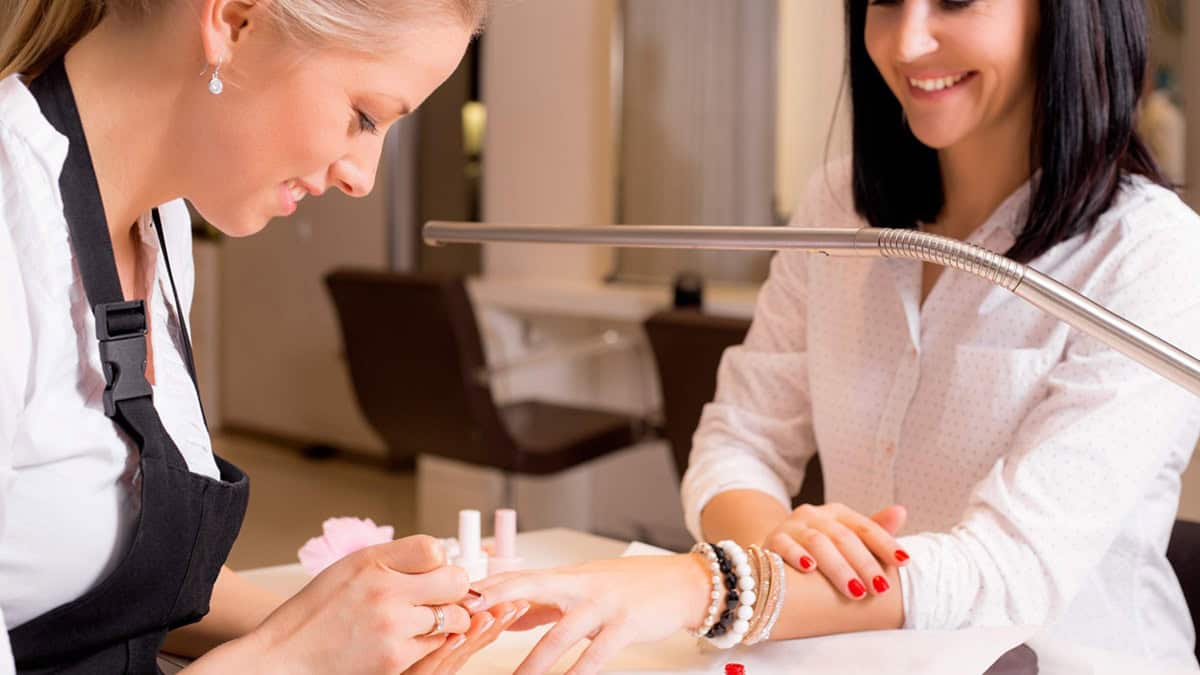
Decorated Nails has 12 hours of beginner content and 13 reviews, the largest review count in this set. The course moves from basic concepts toward more advanced decoration techniques, so it offers a clearer progression than a narrowly themed craft class. It still does not replace supervised practice, and the page does not state the price or certificate terms. Choose this over Eyebrow Design if you enjoy detailed visual work and want a portfolio built from repeatable designs rather than one service.
Florist Course
Florist takes 20 hours and covers flowers, foliage, bouquets, arrangements, colour combinations, and event decoration. That wider brief gives you more material for a portfolio than a single beauty technique, but it also means real-world practice will involve perishable materials and event deadlines. The page lists two reviews, so there is less public feedback than Decorated Nails. Best for a beginner who wants to explore wedding, gift, or event work and is comfortable learning through physical projects.

Free Party Decoration Course
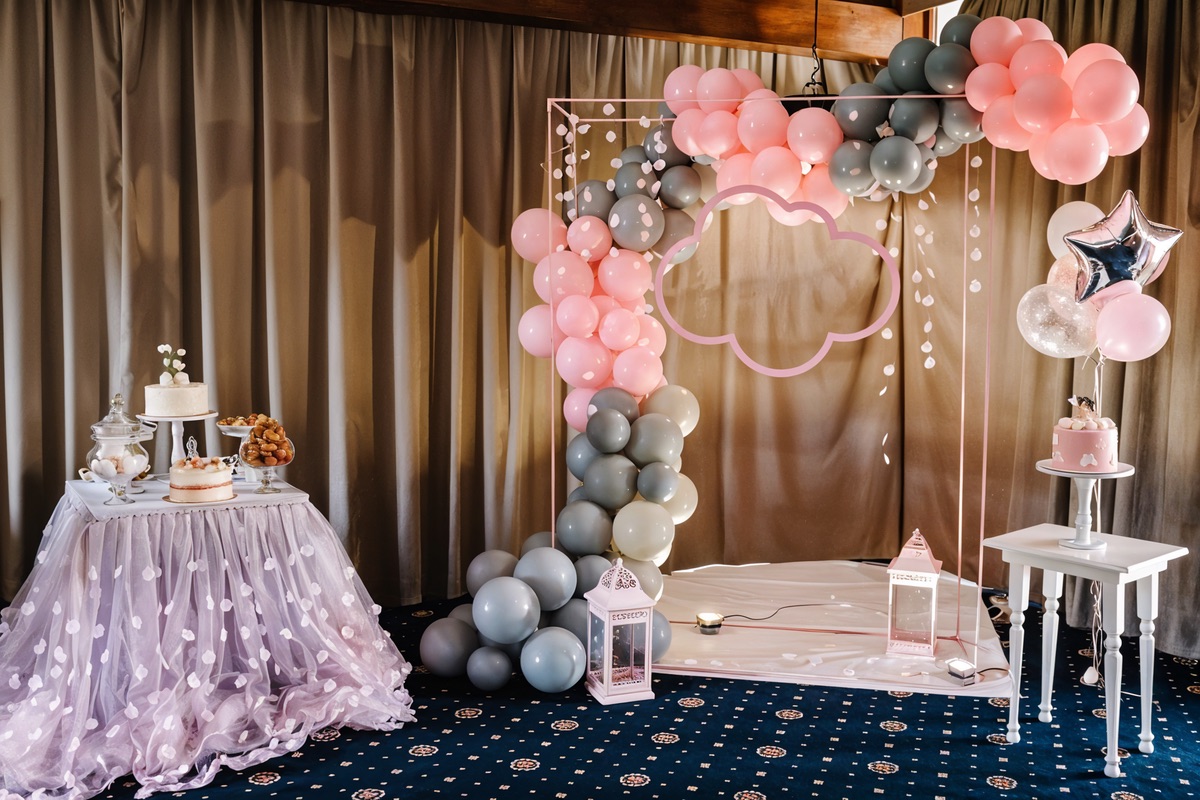
The Party Decoration course is explicitly described as online and free, which makes it the lowest-risk starting point for someone testing an event-service idea. Its 18-hour beginner syllabus covers birthdays, weddings, corporate events, and themed celebrations, giving it broader use cases than Florist. Six reviews provide a little more feedback than the florist course, though the page still does not confirm a certificate. Pick it before paying for specialist training if you need to discover whether event styling suits you.
These service courses share one hidden requirement: a portfolio matters more than simply finishing the lessons. Photograph practice brows, nail sets, arrangements, or decorated spaces in good light, and confirm local rules before charging clients. The next group suits learners who would rather work with wardrobes, rooms, furniture, or fabric.
Design skills for spaces, style, and making
Here, the study times run from 16 to 26 hours. That extra time does not automatically mean better teaching, but it does signal a broader project scope than the short beauty courses.
Fashion Consulting Course
Fashion Consulting 1 is an 18-hour beginner course with one review and a syllabus spanning fashion history, colour analysis, wardrobe personalization, and current trends. That combination is more client-oriented than Cut and Sew because it focuses on advising people, not constructing garments. The downside is overlap with Fashion Consultancy 2: the provider’s pages do not make the distinction obvious. Choose this version if the listed modules give more space to wardrobe personalization, then build sample client profiles to test the method.

Interior Decoration Course
Interior Decoration runs for 18 hours, is marked beginner level, and has seven reviews—the strongest review count among the space-design courses. The description covers colour, furniture, accessories, composition, and planning, which gives a new decorator a useful visual vocabulary. It is less technical than Planned Furniture Designer, so it will not prepare you for detailed custom cabinetry drawings. Best for someone who wants to create room concepts or offer styling advice without starting with technical drafting.
Florist Course
The florist course already appears above because it bridges decoration and client services; it also belongs in this creative-work cluster because its 20-hour syllabus includes colour combinations and event decoration. If room styling feels too abstract, flowers provide a tangible way to practise scale, texture, and composition. The two-review count is thin, and the page does not list materials or costs, so budget for supplies separately. Best for a hands-on learner who wants visual work that can become a physical portfolio.
Planned Furniture Designer Course
Planned Furniture Designer is the most technical course in the list, despite remaining beginner level. Its 16 hours introduce materials, technical drawings, and 3D modelling—skills that connect more directly to custom furniture work than the room-styling content in Interior Decoration. Two reviews are not enough to judge the teaching depth, and the page does not name the software used for modelling. Best for a beginner who wants to explore custom furniture and is willing to learn the required design tools separately.

Cut and Sew Course
Cut and Sew takes 16 hours and progresses from fabric handling and tool use to modelling and finishing, with five reviews. Unlike the consultation courses, it teaches a making process that can produce visible samples for a portfolio. The page does not identify the equipment, fabric costs, or certificate details, so those omissions matter more here than they do for a theory-led course. Best for a beginner who wants to make garments or small pieces and learn through repeated physical practice.

What to avoid before enrolling
- Do not assume beginner means job-ready. Every course here is marked beginner, but beauty, sewing, furniture, and event work all need practice outside the lessons.
- Do not compare hours as if they were equal. A 10-hour eyebrow course teaches one focused service; a 26-hour organizing course covers a broader workflow.
- Check the certificate wording. None of the supplied pages confirms certificate type, accreditation, or whether completion is included in the listed price.
- Look for missing equipment details. Sewing machines, nail tools, florist supplies, modelling software, and styling materials can change the real cost substantially.
- Be cautious with duplicate-looking courses. Fashion Consultancy 2 and Fashion Consulting 1 overlap in colour, trends, and wardrobe advice. Compare modules before buying both.
Quick comparison
| Course | Time | Level | Reviews | Best for |
|---|---|---|---|---|
| Eyebrow Design | 10h | Beginner | 2 | Focused beauty service |
| Decorated Nails | 12h | Beginner | 13 | Nail-art portfolio |
| Planned Furniture Designer | 16h | Beginner | 2 | Technical furniture basics |
| Cut and Sew | 16h | Beginner | 5 | Garment-making practice |
| Fashion Consultancy 2 | Not stated | Beginner | 0 | Style consultation concepts |
| Fashion Consulting 1 | 18h | Beginner | 1 | Wardrobe personalization |
| Interior Decoration | 18h | Beginner | 7 | Room styling |
| Party Decoration | 18h | Beginner | 6 | Low-risk event styling |
| Florist | 20h | Beginner | 2 | Floral and event work |
| Personal Organizer For Environments | 26h | Beginner | 0 | Home organization services |
For the lowest-risk experiment, start with the free Party Decoration course and create one small event concept. Choose Eyebrow Design or Decorated Nails if you want a focused personal service, Interior Decoration for room styling, Cut and Sew for making, and Planned Furniture Designer for a more technical path. The provider’s pages give enough detail to shortlist the right direction, but you should confirm current pricing, certificate terms, materials, and any local practice requirements before enrolling.
The smartest first course is the one that produces a portfolio piece by the weekend—not the one with the grandest title. Find the course that moves you forward.