Luvantic is an independent course aggregator. We may earn a commission when you click through.
Creative Courses Compared: Find Your Practical Starting Point
Ten beginner courses cover fashion, interiors, beauty, floristry, and events, with study times from 10 to 26 hours and mixed review counts.
Quick Picks
Best overall: Cut and Sew for a hands-on fashion foundation with 16 hours of beginner content and five reviews.
Best for interiors: Interior Decoration, which combines colour, furniture, accessories, and planning across 18 hours.
Best short course: Eyebrow Design takes 10 hours and focuses on measurement, hair removal, and colouring techniques.
All ten listings are marked beginner level. The platform does not provide prices or certificate details in the supplied course information, so check the individual listing before enrolling. That missing information is the first practical limitation: these courses may be useful starting points, but they should not be treated as full professional qualifications without confirming assessment, tutor support, and certification.
Build a Creative Foundation
The strongest starting courses here teach a process rather than a single isolated technique. Fashion, interiors, and furniture design all involve planning, visual judgement, materials, and client or project decisions. That makes them more useful for a portfolio than a course that only introduces one narrow service.
Cut and Sew Online Course
Cut and Sew is my first pick for a learner who wants a tangible creative skill. The 16-hour beginner course moves from fabric handling and tool use toward modelling and finishing, giving it more range than the styling-focused courses below. Five reviews also give it more visible learner feedback than most options in this group. The limitation is that the supplied listing does not confirm a certificate, materials list, tutor access, or project assessment. Choose it if you want to practise garment construction and can source fabric and tools independently; skip it if you need a formally assessed qualification.

Interior Decoration Course
Interior Decoration covers a broader home-design brief than Cut and Sew, with 18 hours on colour, furniture, accessories, composition, and space planning. That breadth makes it more useful for mood boards, room refreshes, and early client conversations, though it may feel less hands-on than sewing. Seven reviews are the highest count among the ten listings, which is a useful signal even though the course page does not show a rating or detailed review themes. Pick this when your portfolio will focus on rooms rather than garments.

Planned Furniture Designer Course
Planned Furniture Designer narrows the interior route toward custom storage and built-in pieces. Its 16-hour beginner syllabus includes common industry materials, technical drawings, and 3D modelling, so it offers a more technical direction than Interior Decoration. Only two reviews are listed, and the course description does not identify the software used for modelling. That matters: software-specific practice can affect how useful the work is in a real design job. Select it if technical drawing appeals to you more than styling rooms.

Personal Organizer For Environments Course
Personal Organizer For Environments is the longest course in this cluster at 26 hours, but its focus is practical organisation rather than decorative design. The content covers functional, pleasant spaces and is aimed both at improving your own home and starting to learn the service professionally. The zero-review count makes the listing harder to judge, and there is no stated certificate or client-project requirement. Choose it if you enjoy systems, decluttering, and practical room transformations; do not expect the same design depth as Interior Decoration.

These four courses split into two paths: visual styling and technical making. Cut and Sew has the clearest craft identity, while Interior Decoration has the strongest review signal. Furniture design sits between creativity and technical drafting, and Personal Organizer For Environments is the most service-oriented. The next group is narrower and quicker to complete.
Fashion Advice Without the Sewing Machine
Fashion consultancy courses suit learners who prefer colour, trend analysis, wardrobe planning, and client advice over construction. The two listings overlap heavily, so study time and review activity become the deciding factors.
Fashion Consulting Course
Fashion Consulting 1 gives you 18 hours on fashion history, colour analysis, wardrobe personalisation, style advice, and trends. Compared with Fashion Consultancy 2, it has one review rather than none, which is a small but meaningful advantage when the listings provide no rating or learner outcomes. The course still appears introductory: there is no evidence of supervised consultations, a portfolio brief, or a certificate. Start here if you want a structured overview before advising friends or early clients on combinations and personal style.

Fashion Consultancy Course
Fashion Consultancy 2 covers the same broad territory in 18 hours, including colour theory, trend analysis, the consultant role, and practical examples. Its zero-review count makes it harder to prefer over Fashion Consulting 1 unless the full module list reveals a clearer project component. The course may suit someone who wants a clean restart in styling, but the description does not prove that it advances beyond the first course. Compare the module pages before paying, and look specifically for client scenarios and portfolio work.

Fashion Consulting 1 wins this close comparison because it has at least one review and a more detailed outline. Neither listing confirms a certificate, price, or assessment, so the sensible next step is to treat them as introductory learning rather than job-ready credentials. Learners who want a service they can practise immediately may prefer the beauty courses below.
Short, Service-Based Skills
The shortest listings are also the most directly tied to appointment-based work. They can be easier to practise and photograph, but the descriptions do not confirm hygiene training, supervised practice, kits, or local professional requirements.
Eyebrow Design Course
Eyebrow Design is the quickest route in this comparison at 10 hours. The syllabus names measurement, hair removal, colouring, and adapting styles to individual facial features, so it has a clearer service workflow than the broader creative courses. Two reviews are listed, but the course page does not confirm live demonstrations, practical feedback, or a certificate. Pick it if you want to learn a focused beauty service quickly and can arrange hands-on practice separately.

Decorated Nails Course
Decorated Nails has the strongest review activity in the full set with 13 reviews and runs for 12 hours. It covers basic and advanced decoration techniques, making it more portfolio-friendly than a purely theoretical introduction. The description does not mention sanitation, product safety, removal, or practical assessment, so the attractive review count should not be mistaken for complete professional preparation. Choose it if visual detail and repeatable nail-art designs interest you more than fashion or interiors.

Florist Course
Florist takes 20 hours and teaches arrangements, bouquets, decorations, flower types, foliage, and colour combinations. It is broader than the two beauty courses and could support both personal projects and an event-focused service, but the listing has only two reviews. The course also does not state how much real flower practice is required, which matters because conditioning, storage, and mechanics are learned through handling materials. Choose this route if you want a tactile creative business connected to weddings, celebrations, or home styling.

Decorated Nails has the clearest learner-interest signal, while Eyebrow Design is the fastest to finish. Florist requires more materials and practice but opens a wider range of event and arrangement projects. The final course returns to events and is the broadest fit for learners who want to decorate spaces rather than provide a personal service.
For Event-Focused Creatives
Party decoration combines colour, props, layouts, and occasion planning. It is less specialised than floristry, but the course description is unusually clear about its intended settings: birthdays, weddings, corporate events, and themed celebrations.
Free Online Party Decoration Course
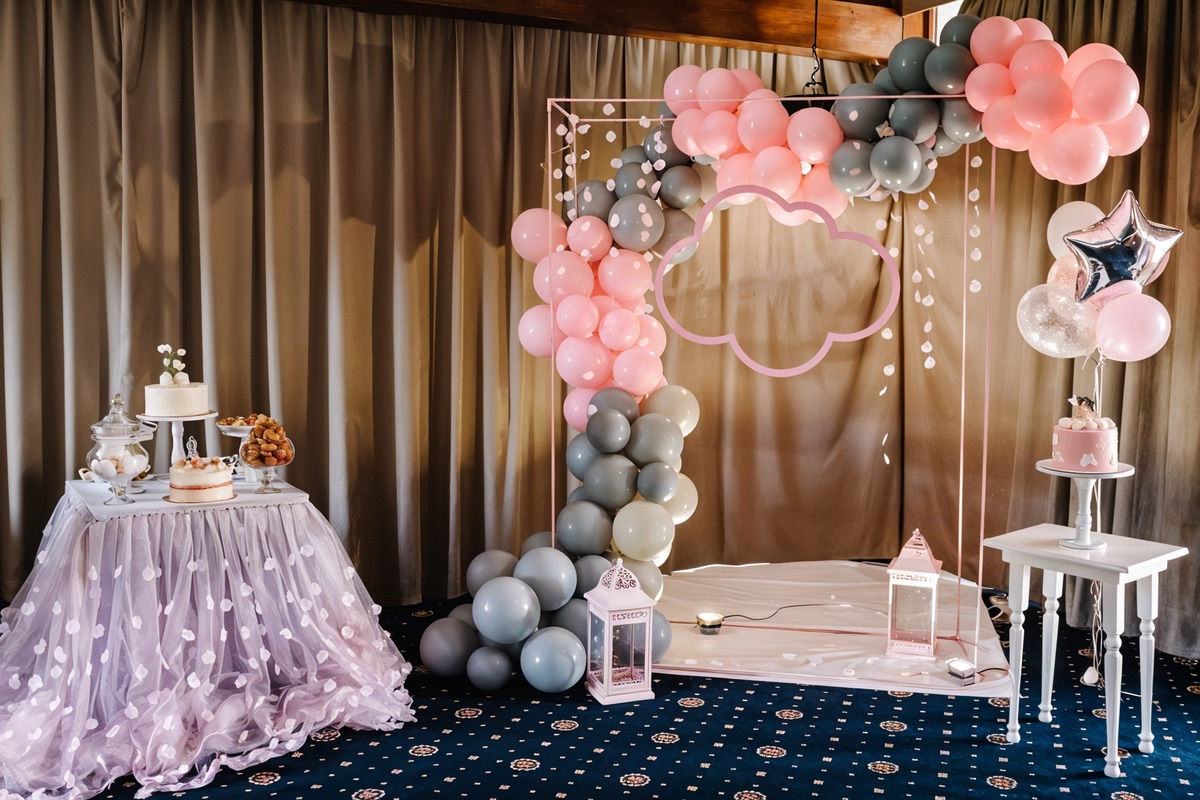
Decoration for Parties is the only listing explicitly described as free, which gives it an immediate advantage for a cautious beginner. The 18-hour course covers events from birthdays and weddings to corporate and themed celebrations, and six reviews provide more feedback than most of the niche service courses. The word comprehensive appears in the listing, but the available details do not confirm a certificate, supplier guidance, budgeting exercises, or a final event project. Start here if you want to test event styling without an upfront course fee.
Which Course Should You Choose?
Choose Cut and Sew if you want a hands-on fashion craft and can practise with your own materials. Choose Interior Decoration if your goal is room styling, mood boards, and furniture decisions, especially since its seven reviews give it the strongest review signal in the group.
Choose Fashion Consulting 1 for an introductory styling path with a little more learner feedback than its near-identical companion. Choose Decorated Nails if you want a short, visual skill with 13 listed reviews, but arrange separate practice on hygiene and client safety. Choose Eyebrow Design when finishing quickly matters most.
Choose Florist for arrangements and event work, Planned Furniture Designer for technical drawings and 3D modelling, and Personal Organizer For Environments for practical home systems. Decoration for Parties is the sensible first click for a budget-conscious learner because the listing explicitly says it is free and covers several event types.
The most useful next step is not simply enrolling. Open the module pages, confirm the price and certificate terms, then choose a course that requires visible project work. A finished portfolio piece will usually tell future clients more than a completion badge alone.