Luvantic is an independent course aggregator. We may earn a commission when you click through.
8 Programming Courses, From Free Practice to Paid Career Training
All 8 listings are programming courses, but only one has a listed price: compare beginner paths, formats, certificates, and commitment.
Eight programming courses, eight different levels of commitment. Seven listings show no price, while Yandex Practicum is the only course with a listed fee: 935000 in the source listing. That makes the real comparison less about cheap versus expensive and more about guided career training versus self-directed learning.
The catalog covers Python, Java, C++, JavaScript, Android development, GitHub, and backend development. For a beginner, that variety is useful—but starting with the wrong language can waste weeks. My short version: begin with Python or Khan Academy's programming fundamentals, then add GitHub before paying for a longer career track.
The Price Split Is the First Decision
The chart above shows the unusual shape of this catalog: one listed paid course at 935000 and seven courses with no price shown. A missing price does not automatically mean free, so check the provider page before enrolling. Still, the unpaid or unspecified group gives beginners a low-risk way to test whether coding fits their routine.
That matters because the paid course promises a much larger commitment than a short module or introductory lesson. Before spending 935000, complete one free Python or programming course and build a small project. You will learn more about your motivation from that project than from another sales page.
Компьютерлік бағдарламалау
Khan Academy's Computer Programming course is the gentlest first step in this group: the catalog includes an introduction to JavaScript with drawing and animation. It is more playful than the Python and Java courses, which can help you decide whether programming feels engaging before you commit to syntax-heavy study. The listing does not show a price or certificate, so treat it as a practice route rather than a formal credential. Best for a complete beginner who wants visual exercises and a low-pressure way to test coding.
Бастаушыларға арналған Python
The beginner Python course goes further than a simple syntax sampler: its description mentions databases and an introduction to object-oriented programming. That gives it more technical range than Khan Academy's JavaScript-focused starting point, but the source page is in Kazakh and does not show a price, duration, or certificate in the supplied listing. Choose it if you want a structured introduction to Python and can study technical material in Kazakh. Best for a first-time learner who wants programming fundamentals rather than visual experiments.
Жаңадан бастаушыларға арналған JAVA бағдарламалау
The Java course is aimed at beginners and directly pushes back on the idea that advanced mathematics is required from day one. That reassuring framing may help career changers start, but the listing does not provide a visible price, schedule, or certificate, so you will need to verify the practical workload yourself. Compared with the Python course, Java is a more deliberate choice for learners interested in strongly structured programming. Best for a beginner who wants Java specifically and needs an encouraging first explanation.
Основы программирования на C++
C++ raises the difficulty level and gives this beginner cluster a useful counterpoint. The listing identifies it as a fundamentals course, but the supplied page content does not confirm a price, duration, certificate, or project list. I would not start here unless you have a reason to learn C++, because Python and JavaScript usually provide a softer first experience. Best for a technically curious beginner who wants low-level programming foundations and is comfortable with a steeper learning curve.

Прикладное программирование на Python
Applied Python programming is the most clearly time-boxed option in the introductory group: 16 weeks at 6 to 7 hours per week, plus 3 credit units. That is roughly 96 to 112 hours of study, a much heavier commitment than a quick sampler. The credit units also make it feel more academic than the other beginner listings, though the supplied page does not show a price or certificate. Best for a learner who wants a semester-style schedule and can protect several hours each week.
The first five courses form a sensible progression: experiment with JavaScript, learn Python or Java fundamentals, then take on C++ or a 16-week applied program. The important move is not enrolling in all of them. Pick one language, finish the exercises, and keep your project files. That evidence will matter more than collecting half-completed course pages.
Short Modules That Build Working Habits
Programming knowledge alone is not enough for a portfolio. Developers also need to manage code, understand collaboration tools, and work inside a development workflow. The next two listings are shorter and more focused, so they fit naturally after an introductory language course.
Introduction to GitHub
Microsoft's Introduction to GitHub takes 1 hour and 45 minutes across 8 lessons, making it the quickest concrete addition in the catalog. The module is marked beginner level and lists developers, students, DevOps engineers, administrators, and solution architects among its audiences. It also awards 900 XP, though XP is not the same as a professional certificate. Take this after your first coding exercises so you can store and organize work instead of learning GitHub in the abstract. Best for a beginner who has started coding and needs a practical workflow skill.

Android қосымшасын әзірлеуші
The Android developer course shifts from general programming into mobile development, covering Android's role across smartphones, tablets, e-readers, game consoles, and other devices. Its description also discusses short- and long-term plans for starting an IT career, which gives it more direction than a language-only course. The listing does not show a price, duration, or certificate, and Android development will make more sense after you understand basic programming. Best for a beginner who already has some coding exposure and wants to explore mobile software.
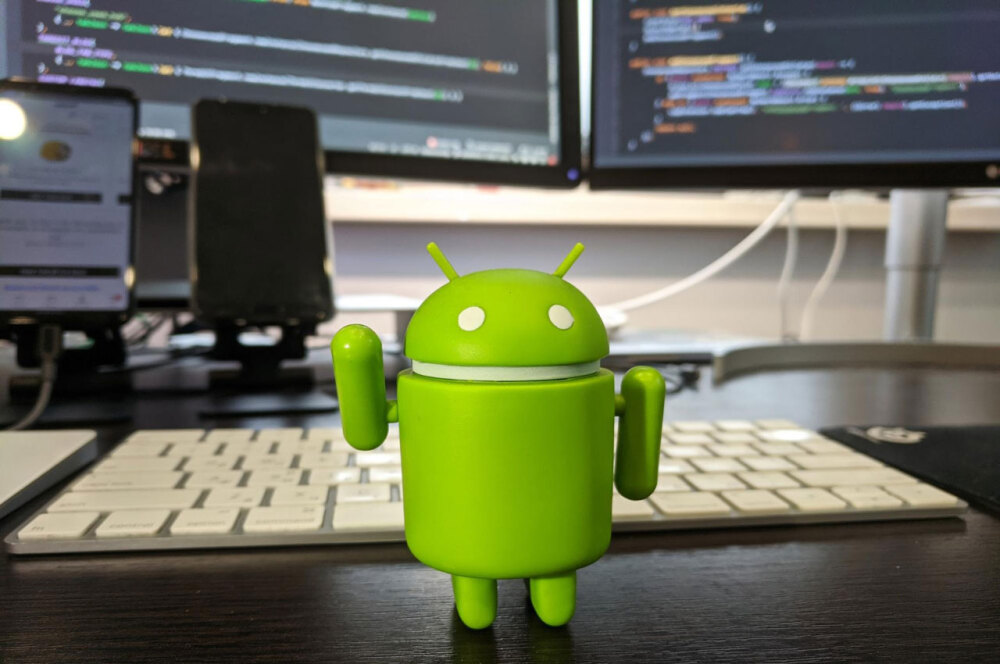
GitHub is the practical bridge between learning and showing your work. Android development is the specialization. Do not reverse that order unless you already understand variables, functions, and basic debugging; otherwise the mobile tools can hide the programming gaps you still need to fix.
The Paid Career Track
One listing is built for a much bigger commitment than the rest: Yandex Practicum's Python developer program. It is the only item with a displayed price, so compare it against the free or unpriced courses only after checking what support, projects, and employment services are actually included on the provider page.
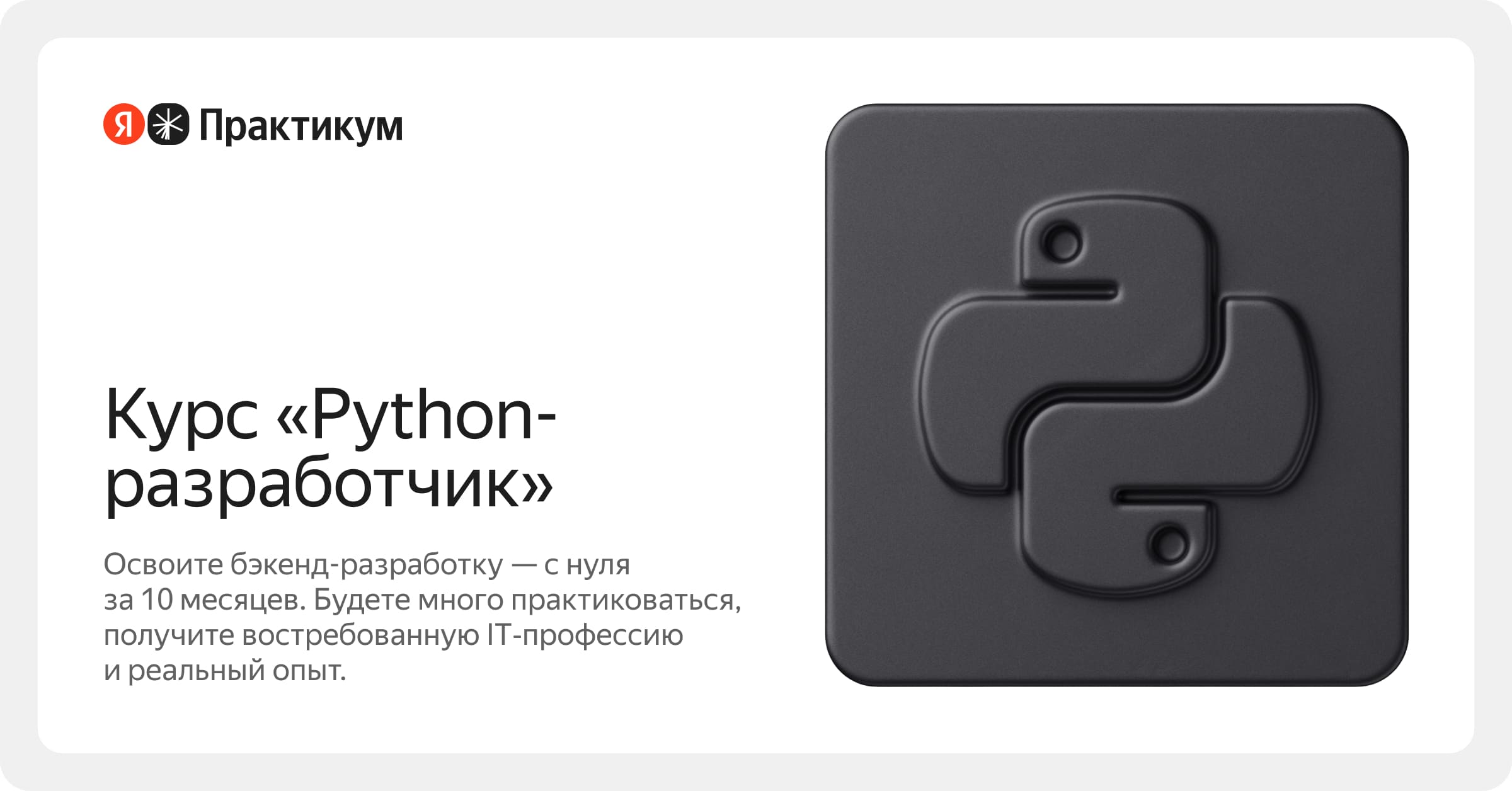
Python-разработчик Курс
Yandex Practicum's Python Developer program is the catalog's clearest career-training route, with sections for the profession, learning, employment, curriculum, and tariffs. The listed price is 935000, making it a serious purchase rather than a casual trial. The source excerpt does not provide the exact duration, certificate terms, or employment outcome, so verify those details before paying. I would choose it only after completing a free Python course and confirming that you want backend development. Best for a career changer who can commit to a paid, guided path and wants Python backend training rather than a short introduction.
What to Do With This Catalog
Start free or unpriced. Use Khan Academy for a visual introduction, the beginner Python course for broader fundamentals, or the Java course if that language matches your target roles. Then complete the 1-hour-45-minute GitHub module and publish a small project.
Choose structure when you need accountability. The 16-week applied Python course requires 6 to 7 hours weekly and awards 3 credit units, while the Yandex Practicum listing shows a 935000 fee and a career-focused program structure. Neither should be your first click if you have not tested your interest.
My route would be Python fundamentals, one small project, GitHub, then either applied Python or the paid backend program. Android and C++ are worthwhile branches, not universal starting points. Once you have the basics, data work becomes a natural next direction; Top Data Science Courses to Enhance Your Career This Fall can help you compare that path.