Luvantic is an independent course aggregator. We may earn a commission when you click through.
10 Creative Courses That Turn Hobbies Into Practical Skills
All 10 listings are beginner-level, with study times from 10 to 26 hours. Here is where each course can take a creative learner next.
Every course in this 10-listing comparison is beginner-level, but the study time ranges from 10 to 26 hours. That difference matters: a short beauty course can help you test a service quickly, while a longer organizing or floral course gives you more room to build a usable process.
Prices and certificate details are not shown in the supplied listings, so this comparison does not guess at them. Check the provider page before enrolling, especially if you need a certificate for work. The useful signal here is the curriculum: practical creative skills, short study commitments, and several routes toward freelance or small-business work.
Fast Skills You Can Practise This Weekend
The shortest listings take 10 to 12 hours, which makes them useful for testing a creative service before committing to a longer programme. They are not substitutes for supervised practice, but they can help you decide whether the work suits your patience, precision, and client style.
Eyebrow Design Course
At 10 hours, Eyebrow Design is the quickest route into a hands-on beauty skill in this group. The listing covers measurement, hair removal, and colouring, so the subject is more practical than a trend-only fashion course. Best for a beginner who wants a focused introduction and is prepared to practise technique safely before serving clients. The limitation is scope: the listing does not show supervised assessment, equipment costs, or certificate terms, so treat it as a starting course rather than a complete professional qualification.

Decorated Nails Course
Decorated Nails takes 12 hours and has 13 reviews, the highest review count in the supplied list. That gives it a little more learner feedback than the other short courses, while the content moves from basic concepts to advanced decoration techniques. Pick it if you enjoy detailed visual work and want a skill that can be practised repeatedly on tips or models. Compared with Eyebrow Design, it offers a wider creative canvas but demands steadier hand control and more materials.

These two courses are the quickest experiments, but they lead to different kinds of work. Eyebrow design is measurement-led and service-focused; decorated nails leave more room for personal style. Read the course descriptions carefully and choose the one whose practice routine you will actually repeat.
Personal Organizer For Environments Course
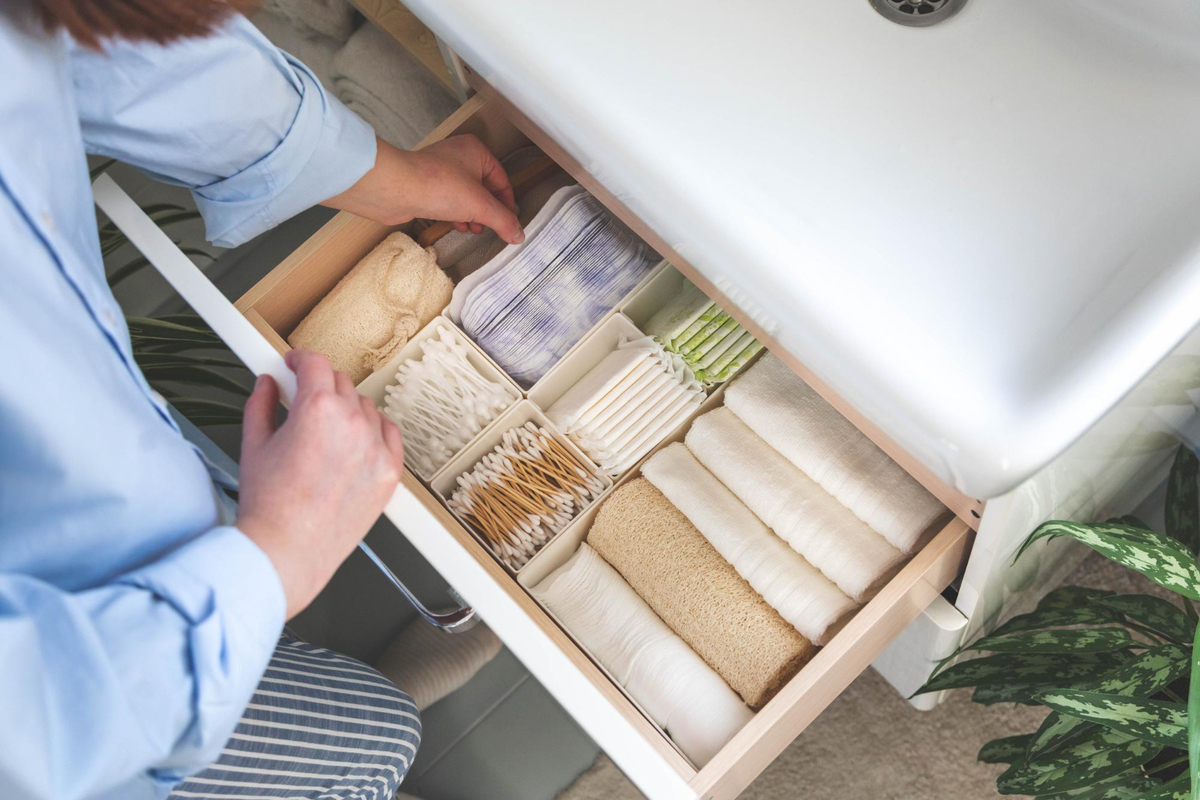
Personal Organizer For Environments is longer at 26 hours, yet it may be easier to apply immediately at home because the listing focuses on functional, practical, and pleasant spaces. The course covers principles and practices rather than one narrow beauty technique. Best for a beginner who likes systems, room layouts, and client-facing problem solving. Compared with the beauty picks above, it requires less fine-motor practice but more observation and communication; the listing also shows zero reviews, so there is less public feedback to rely on.
Free Party Decoration Course
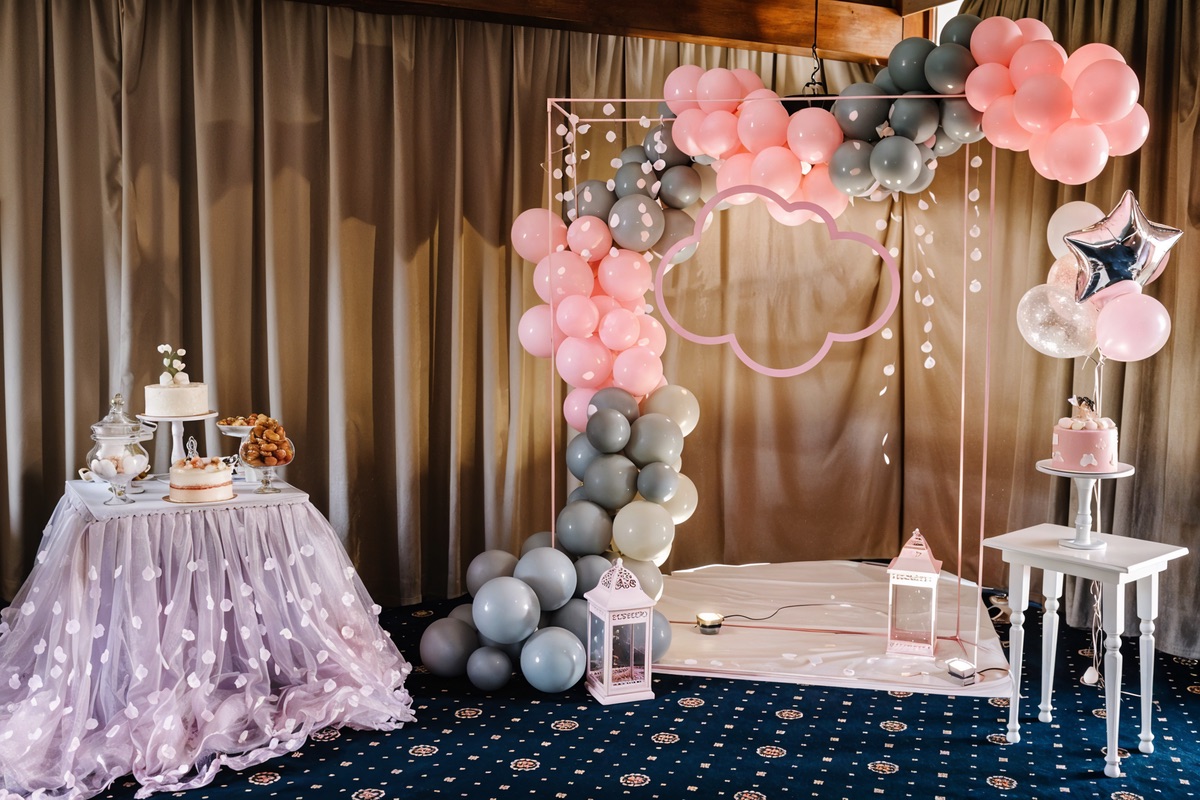
Decoration for parties is an 18-hour beginner course with six reviews and an explicitly free listing description. It covers birthdays, weddings, corporate events, and themed celebrations, giving learners several project directions without requiring a long study commitment. Choose it if you want to build a small event-decoration portfolio or practise with personal celebrations first. The trade-off is that the listing does not explain materials, assessment, or certificate availability, so confirm those details before treating it as career training.
The practical lesson from this first cluster is simple: short courses reduce the risk of choosing the wrong creative path, while the 26-hour organizer course gives more space for a repeatable service process. Free access is useful, but it is not the same as proof of professional competence.
Fashion, Fabric, and Personal Style
Fashion appears in three different forms here: advising clients, designing custom furniture, and making garments. The right pick depends less on the word “fashion” and more on whether you prefer consultation, technical design, or hands-on construction.
Fashion Consulting Course
Fashion Consulting 1 runs for 18 hours and introduces fashion design, colour analysis, wardrobe personalisation, client advice, and trend awareness. That mix makes it the clearest choice for someone who enjoys conversation and styling decisions more than sewing. Best for a beginner considering personal styling or wardrobe consultancy. It has one review, so the public evidence is thin; also check whether the course includes assignments or a certificate before using it to support paid client work.

Fashion Consultancy Course
Fashion Consultancy 2 covers similar ground—colour theory, trend analysis, fashion fundamentals, and the consultant’s role—but the listing shows zero reviews. I would place it behind Fashion Consulting 1 unless its modules or certificate terms are clearer on the provider page. It still makes sense for a beginner who wants an alternative introduction to client styling, especially if the lessons use practical examples, as the description suggests. Compare the module outlines before choosing between the two near-overlapping courses.

Planned Furniture Designer Course
Planned Furniture Designer is also 16 hours, but it shifts fashion-adjacent creativity into custom interiors and technical representation. The listing mentions materials, technical drawings, and 3D modelling, so it has a more design-production focus than the consultancy courses. Best for a beginner who likes measurements, layouts, and visualising built-in furniture rather than advising on outfits. The course has two reviews, but the description does not name software, which is the first detail to verify if you want job-ready digital skills.

Cut and Sew Online Course
Cut and Sew is a 16-hour beginner course covering fabric handling, tools, modelling, and finishing. It is the most tangible making course in this cluster: you can judge progress by the quality of the pieces you produce, not just by how well you discuss trends. Choose it if you want to alter clothes, make small garments, or explore a sewing-based side business. Compared with Planned Furniture Designer, it needs physical equipment and fabric, while the listing leaves the exact project sequence and certificate details unspecified.

The fashion listings reveal a useful split. Consultancy courses build observation and client communication; Cut and Sew builds manual production; Planned Furniture Designer points toward technical design. A certificate may help with credibility, but a small portfolio—styled looks, finished garments, or clear furniture concepts—will show more evidence of ability than course completion alone.
Creative Spaces and Nature-Based Work
The final pair moves from personal style to environments and floral design. Both can become service businesses, but they reward different temperaments: one is about composition and living materials, the other about structure and function.
Interior Decoration Course
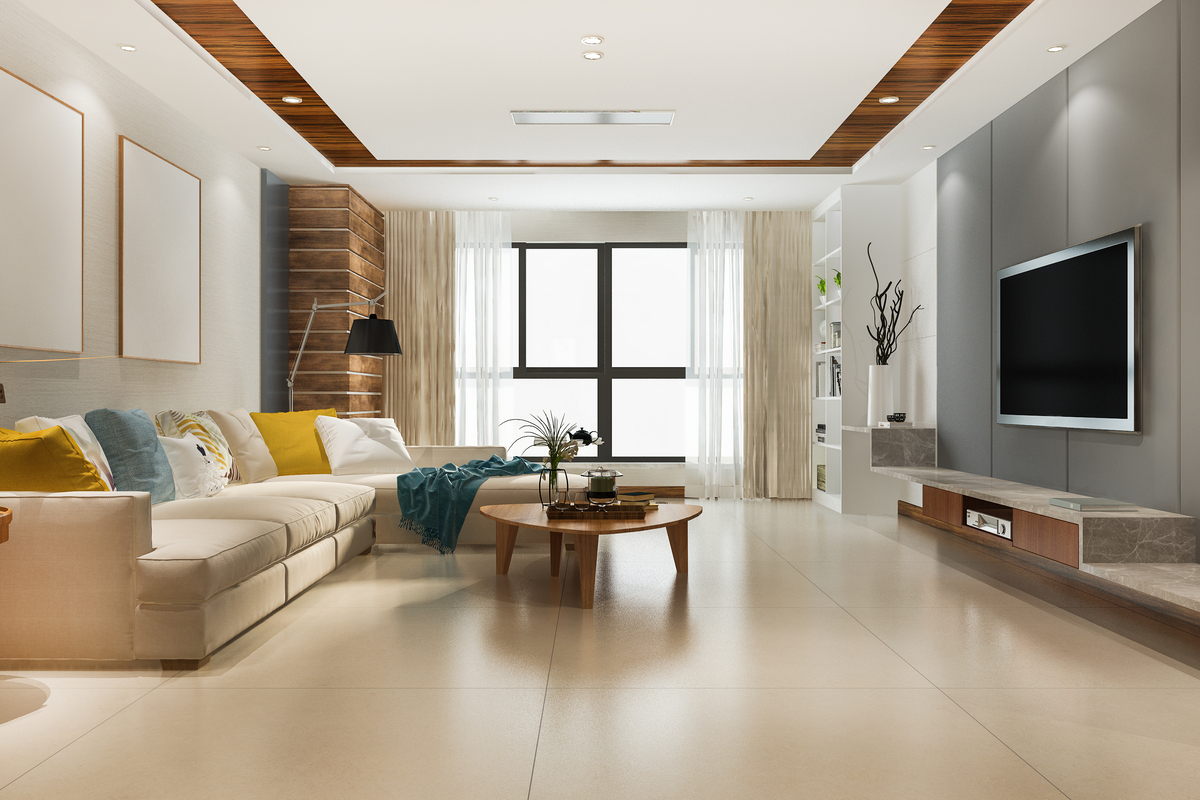
Interior Decoration takes 18 hours and has seven reviews, making it one of the more publicly tested listings in the group. The content covers colour combinations, furniture, accessories, design principles, and space planning, so it reaches beyond simple styling inspiration. Best for a beginner who wants to improve rooms at home or build a foundation for decorating consultations. It does not name software, budgeting exercises, or client projects, so add those through practice if your goal is paid design work.
Florist Course
Florist is a 20-hour beginner course focused on flower and foliage types, arrangements, bouquets, and decorations for occasions. The listing also frames the subject as both a passion and a business opportunity, which makes it more commercially minded than a purely hobby-based craft class. Pick it if you prefer tactile materials, colour composition, and event work. Compared with Interior Decoration, the project scale is smaller and more seasonal, and the listing shows only two reviews, so confirm whether flower sourcing, care, and pricing are included.

What to Do With This Comparison
Start with the course that matches the work you can practise repeatedly. Choose Eyebrow Design or Decorated Nails for a focused beauty experiment, Fashion Consulting 1 for styling conversations, Cut and Sew for making, Planned Furniture Designer for technical design, Interior Decoration for room composition, Florist for floral projects, and Personal Organizer For Environments for systems and client problem solving.
Before paying, verify three details on the provider page: the total price in S$, certificate conditions, and whether assessments or projects are included. The listings show study time and subject coverage, but not enough information to judge credential value. For a career change, pair one course with a small portfolio and real feedback; that combination will move you forward faster than collecting certificates alone.